

This year, I decided to set an intention. Get the wool mill up and running in the Charlevoix region before the end of 2026.
To start on this very ambitious goal, we need two very essential things:
After having spent the majority of 2025 trying to decide what mill to buy, I finally decided on Belfast Mini Mills! An entirely Canadian company, Belfast Mini Mills are one of two companies in the world who produce small-scale wool processing equipment, and they keep getting better at it!
I had the privilege to visit them in PEI in September of last year and it was such a cool experience to meet everyone and finally see the machines that I had spent so much time looking at online, in person!
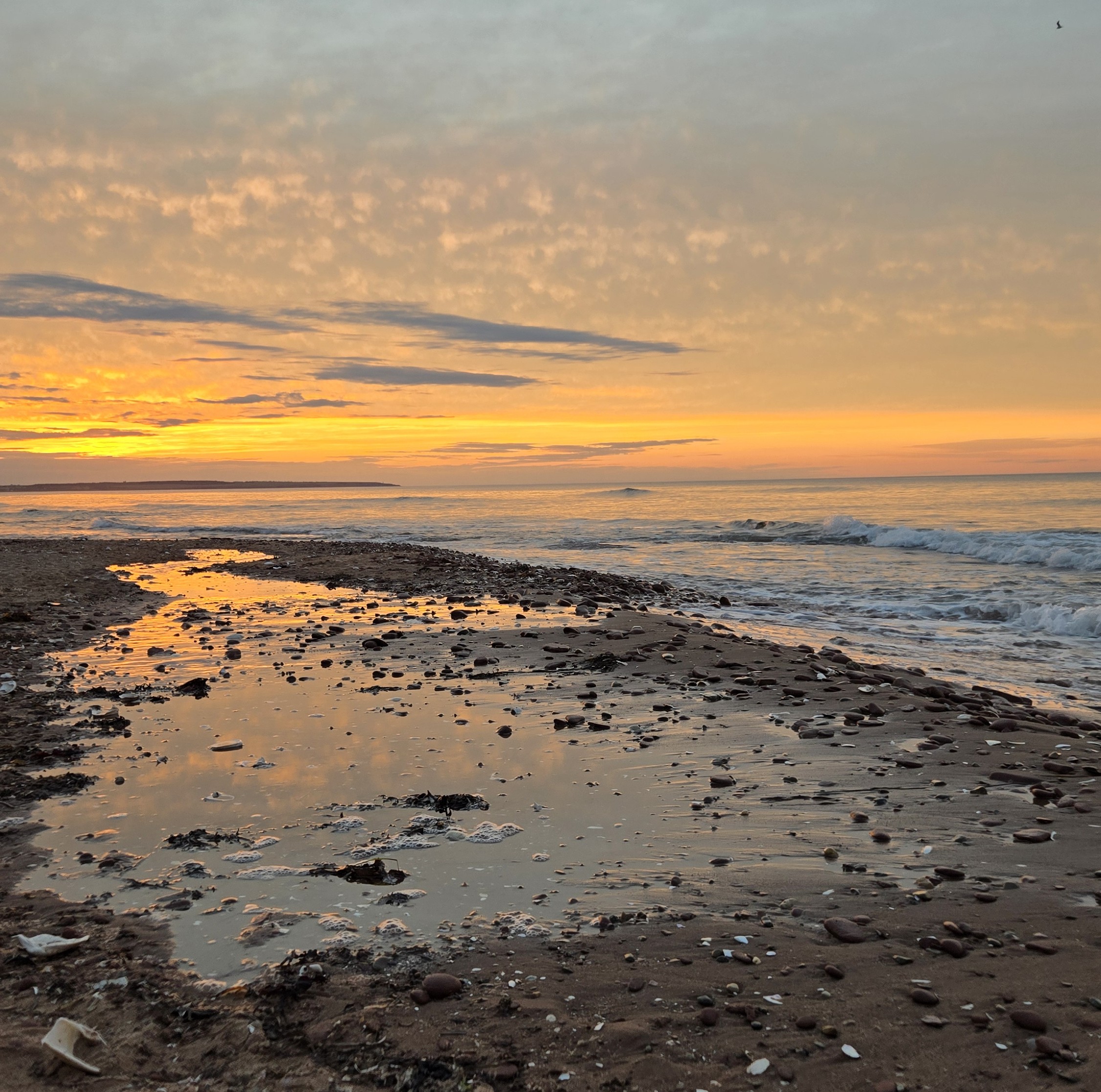
(I wish I had more pictures of the visit, but alas, here is a PEI beach where people were fishing for sea bass from the beach!)
Now, the most challenging part is afoot. Finding an industrial building that has the right zoning (aka not agricultural land because although a woolen mill is an agri-business, it is not considered to be a business that could operate on agricultural land, which makes sense, we need to protect our agricultural land and keep it for growing plants and animals!)
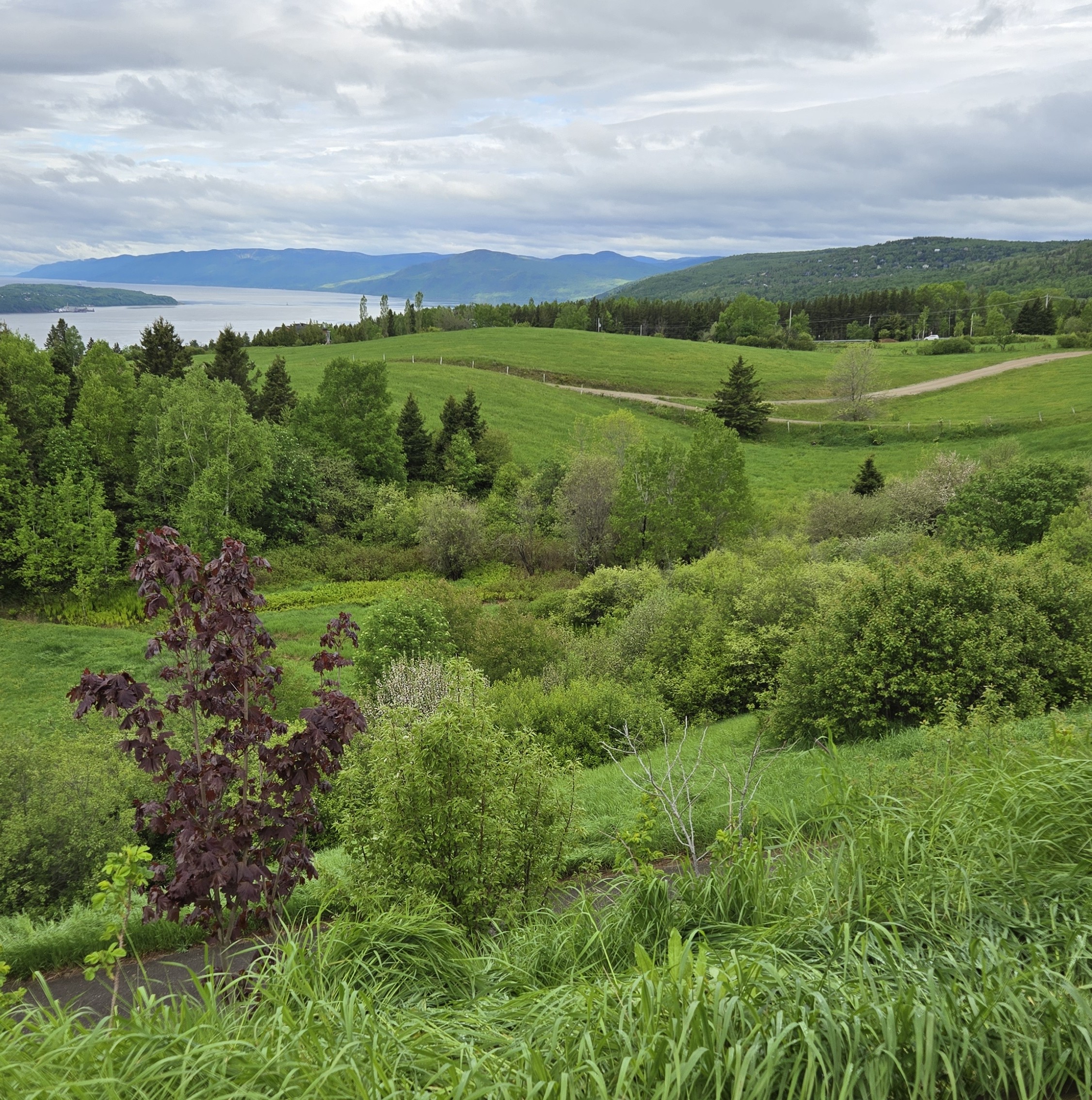
And so the journey began! With the help of my amazing real estate agent, we began to scour the very limited commercial/industrial market in Charlevoix…
This next section is for the very curious people OR for people who are also considering starting a mill of their own and would like to know what criteria I had established when starting my search:
Building & Land
Lastly, while I wait for everything to be in place, I’m still collecting wool for the first few collections that will be spun by my very own mill (!!)
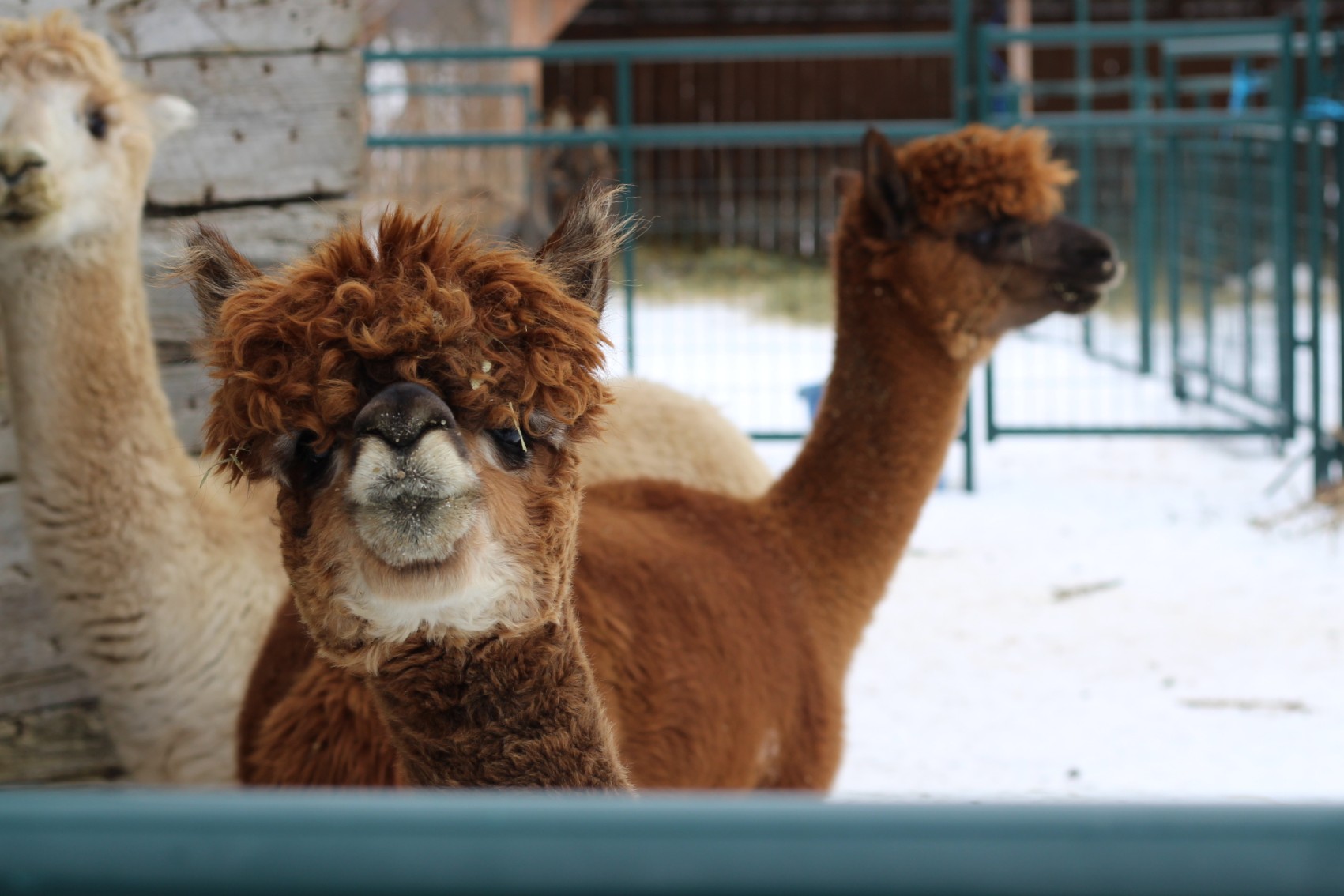
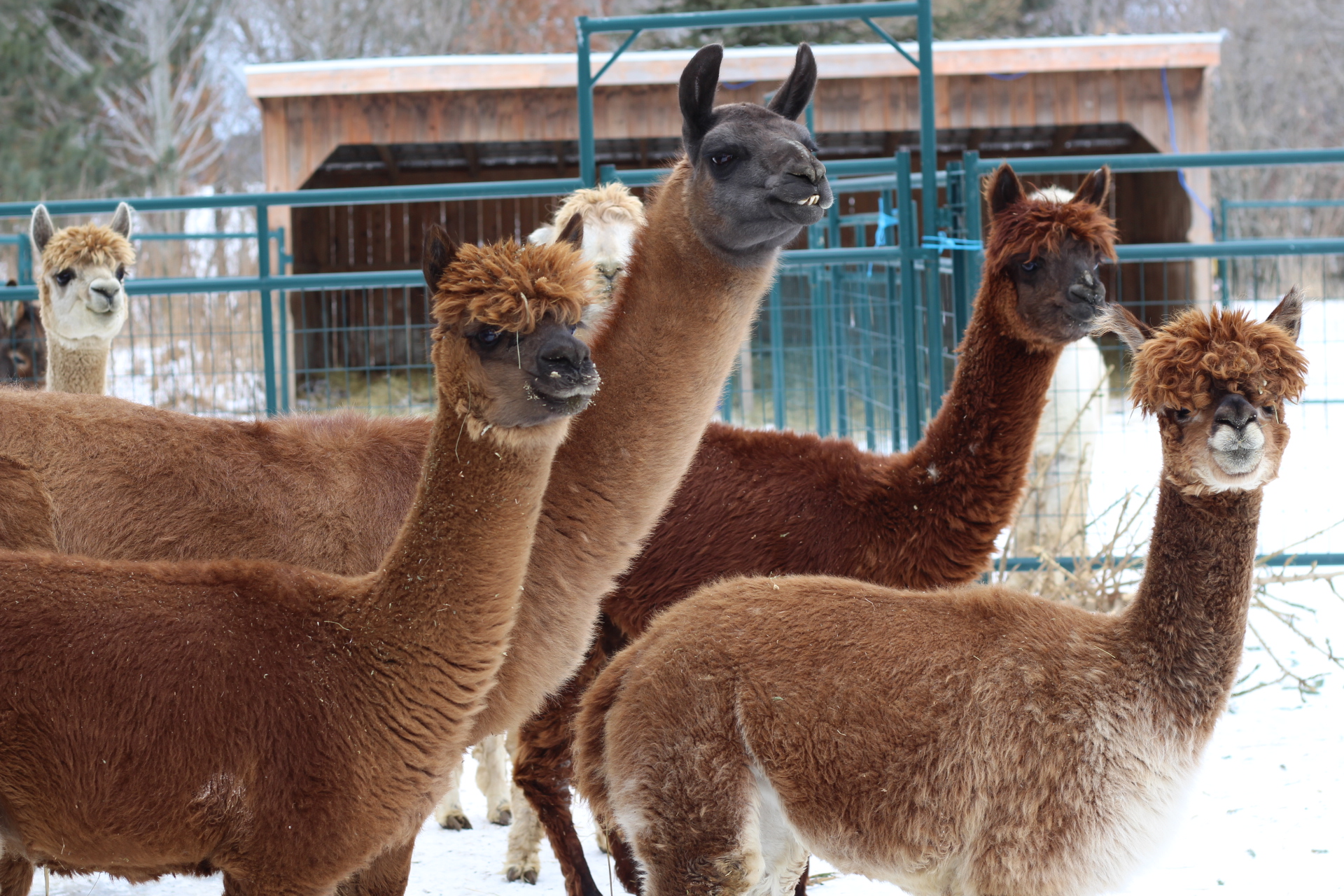
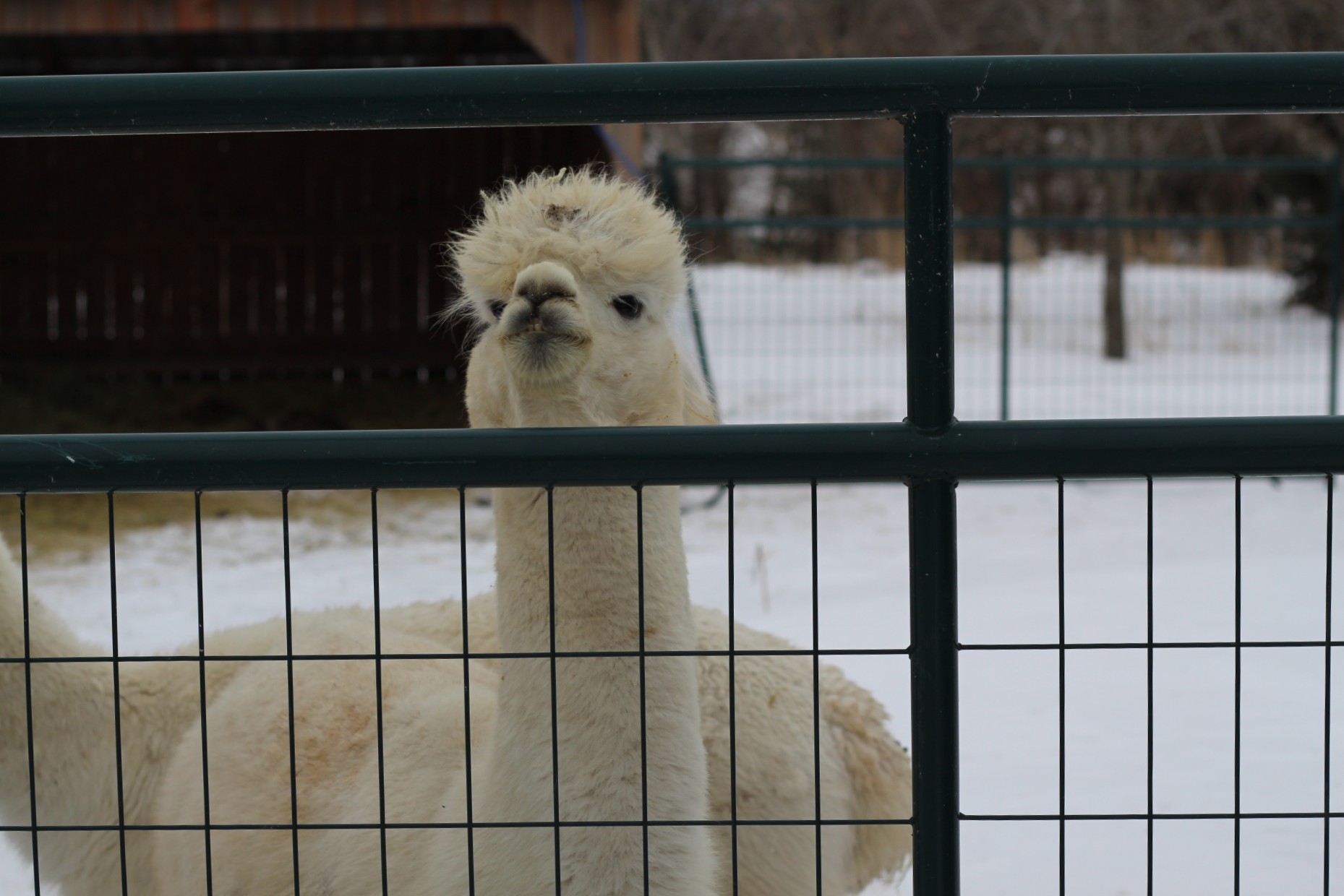
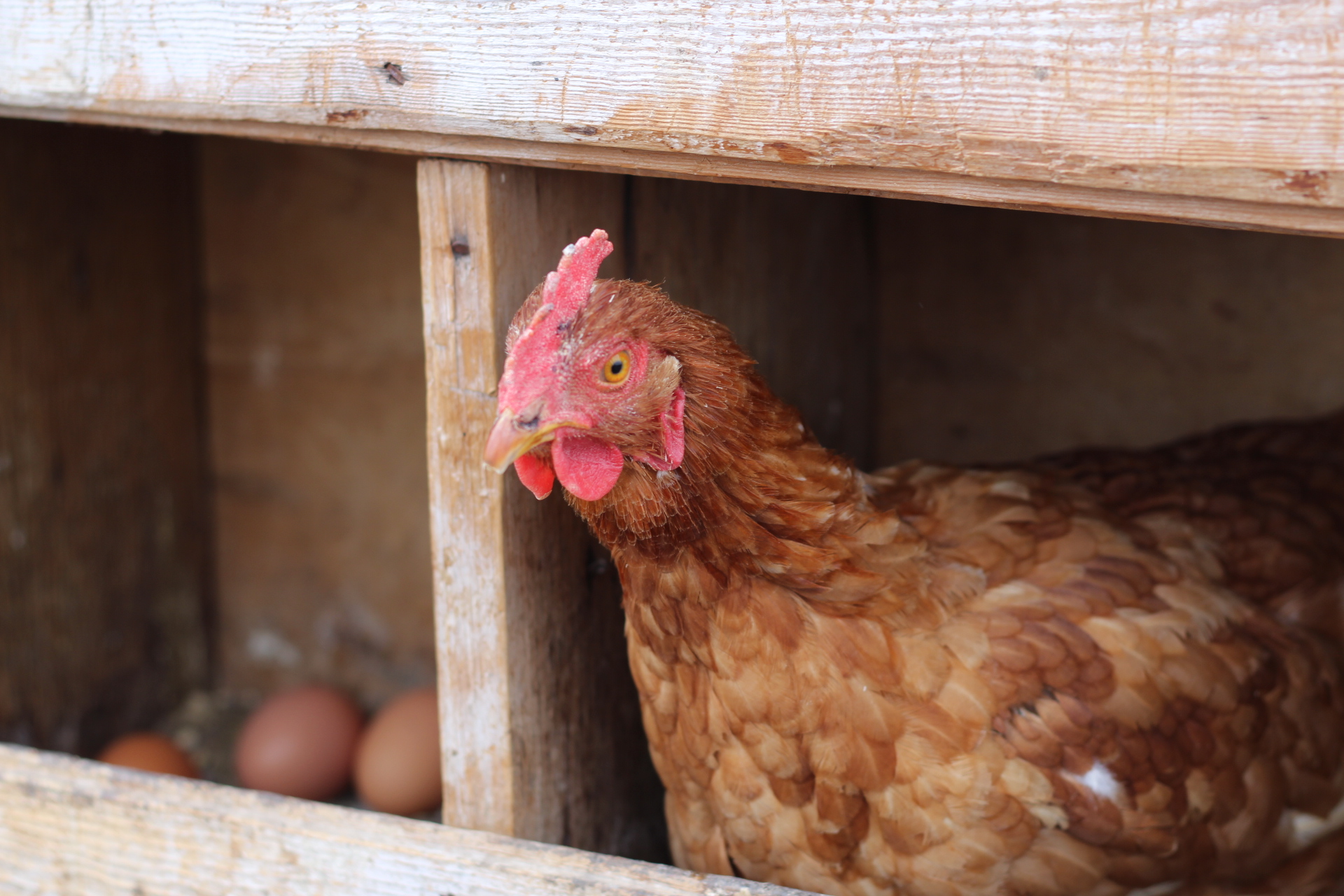
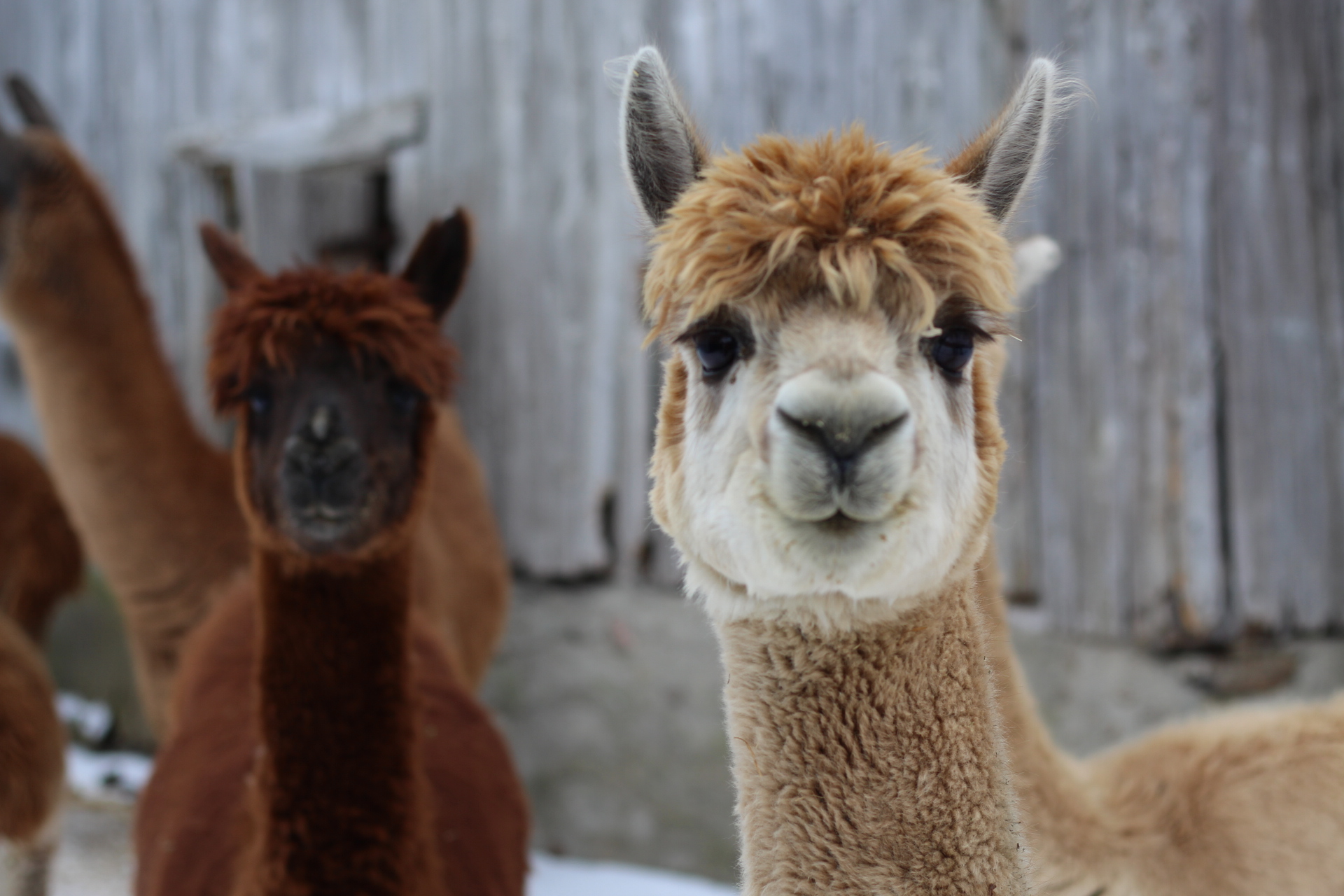
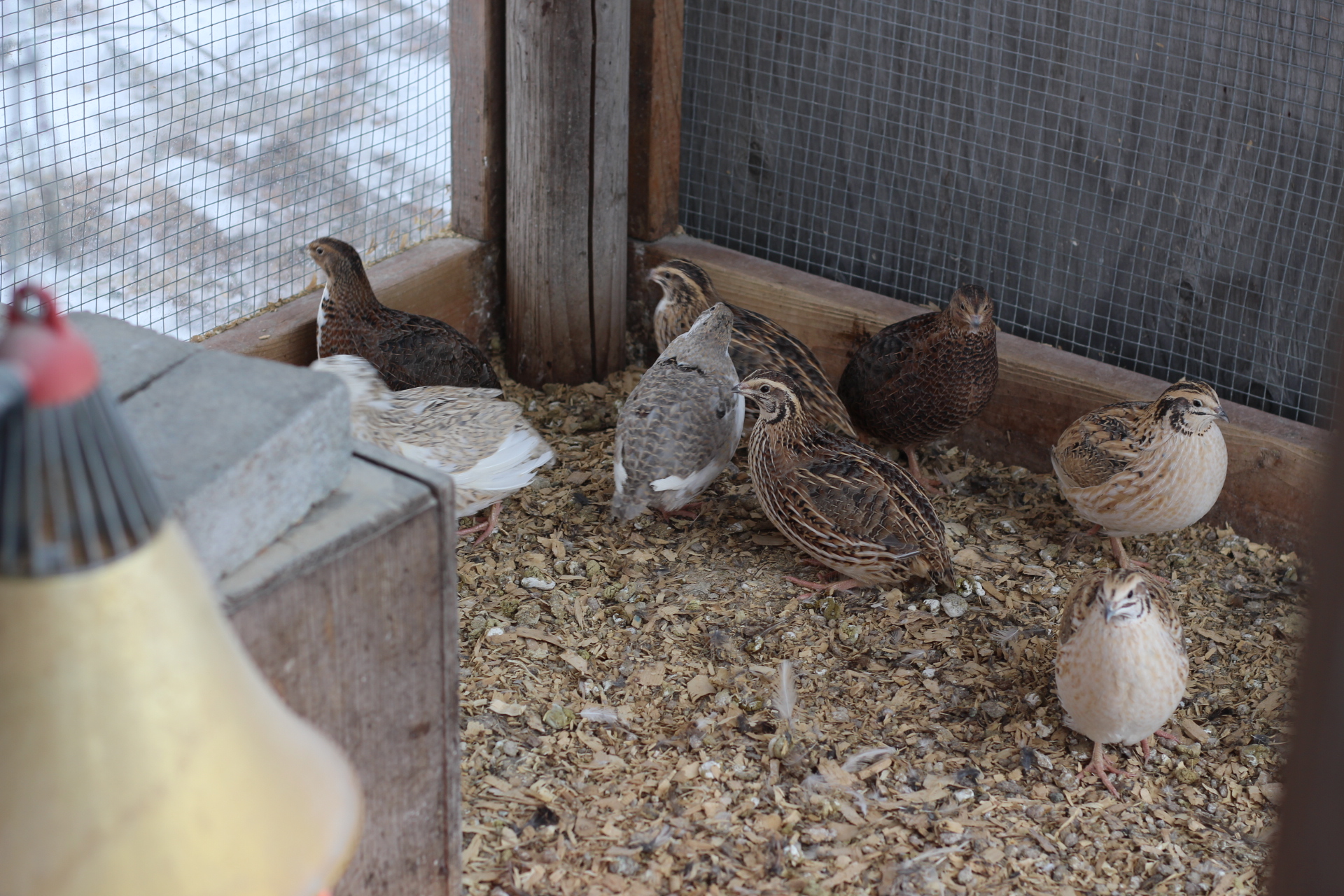
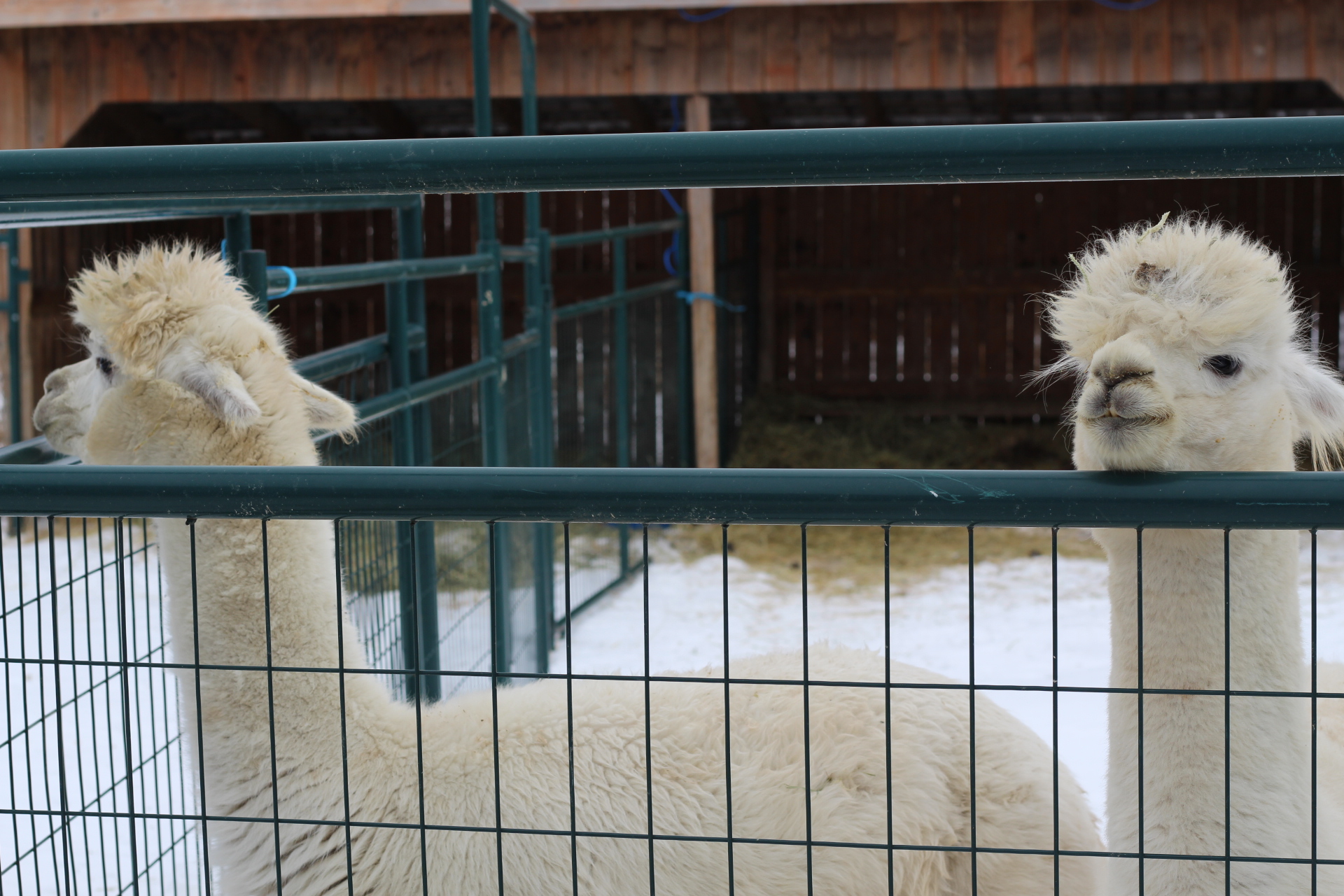
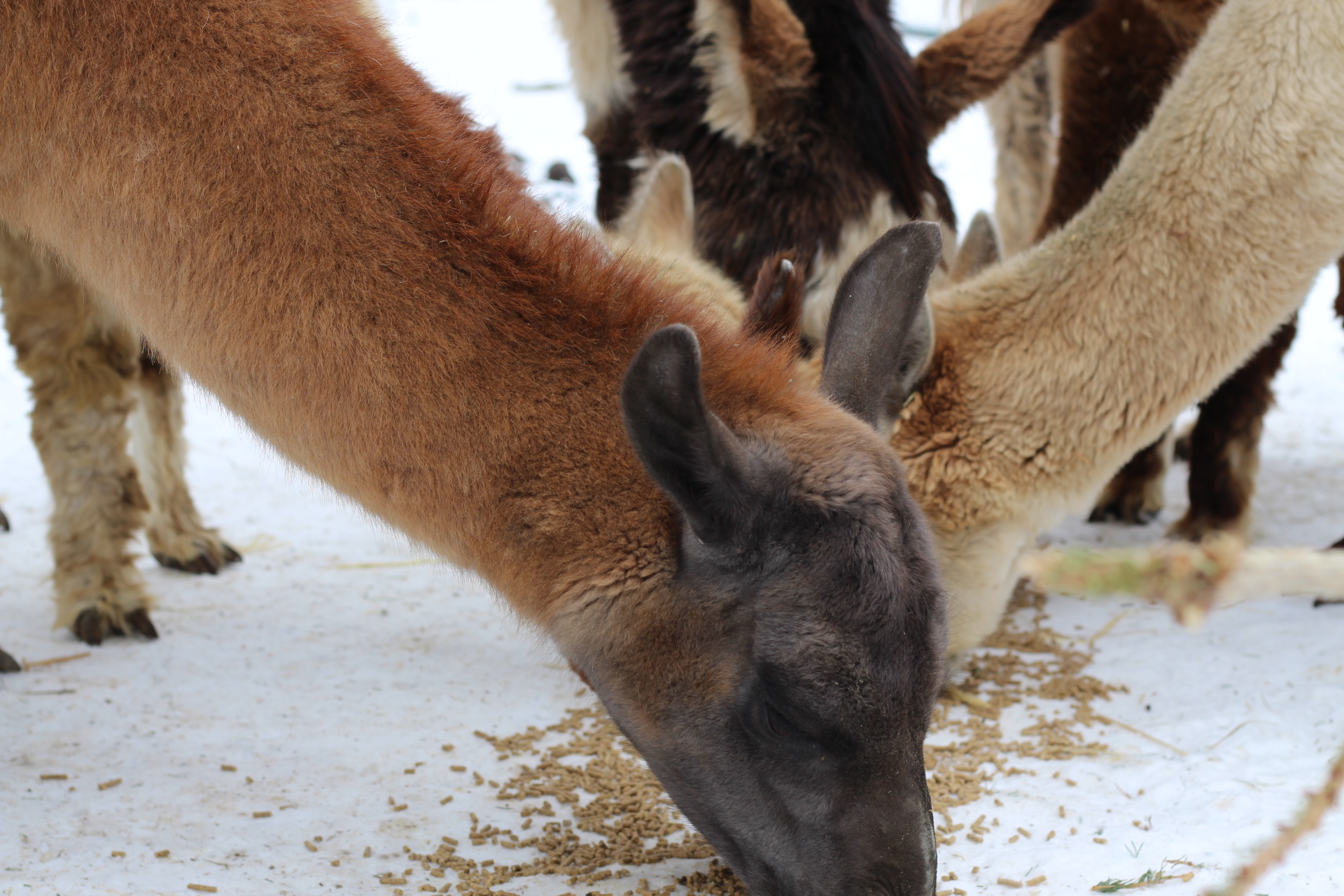
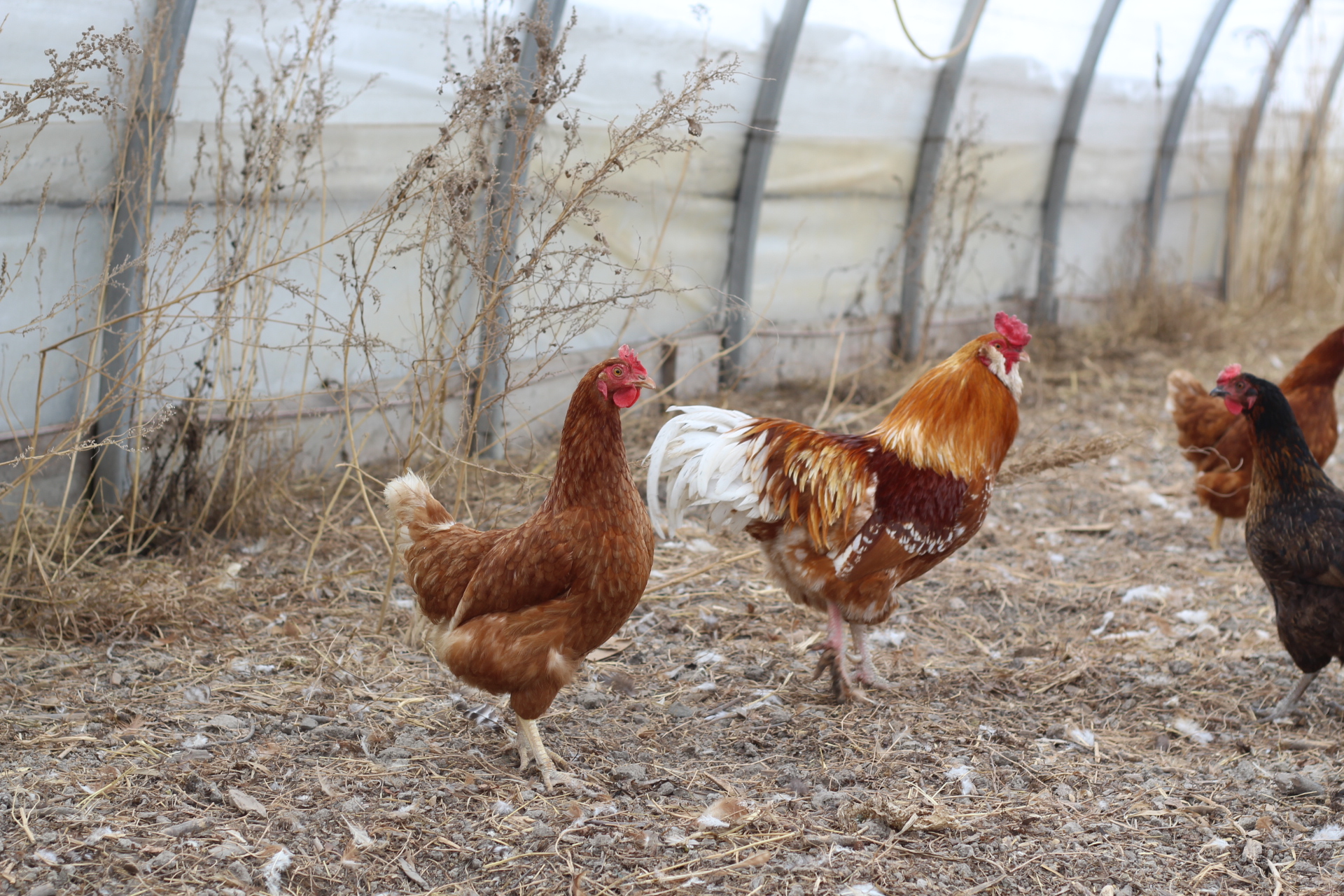
Last week I visited Alain at Ferme au Gré de la Rivière whose alpacas grew the amazing fleeces that make up 50% of the Cheviot/Alpaca Fingering! I went to collect the fleeces that were shorn this past summer and some extra ones from previous years. To share in the joy of hanging out, here are some pictures from the visit:
See you next month, & Happy Crafting!


