

In August of last year, I started thinking about potentially acquiring a knitting machine for the mill. Although it had been my dream for as long as I could remember to make ready-to-wear garments, entering “the fashion industry” always felt like such a daunting and unsurmountable task.
After hearing horror stories about how the garment industry in Montreal crashed in the 1980s and how previously successful businesses closed their doors one after the other because of impossible competition from overseas, even considering getting an industrial flat knitter or making actual clothing that could be sold at competitive prices seemed crazy.
Then I experienced the quality of wool that we have available in the province, felt inspired and fell down a rabbit hole.
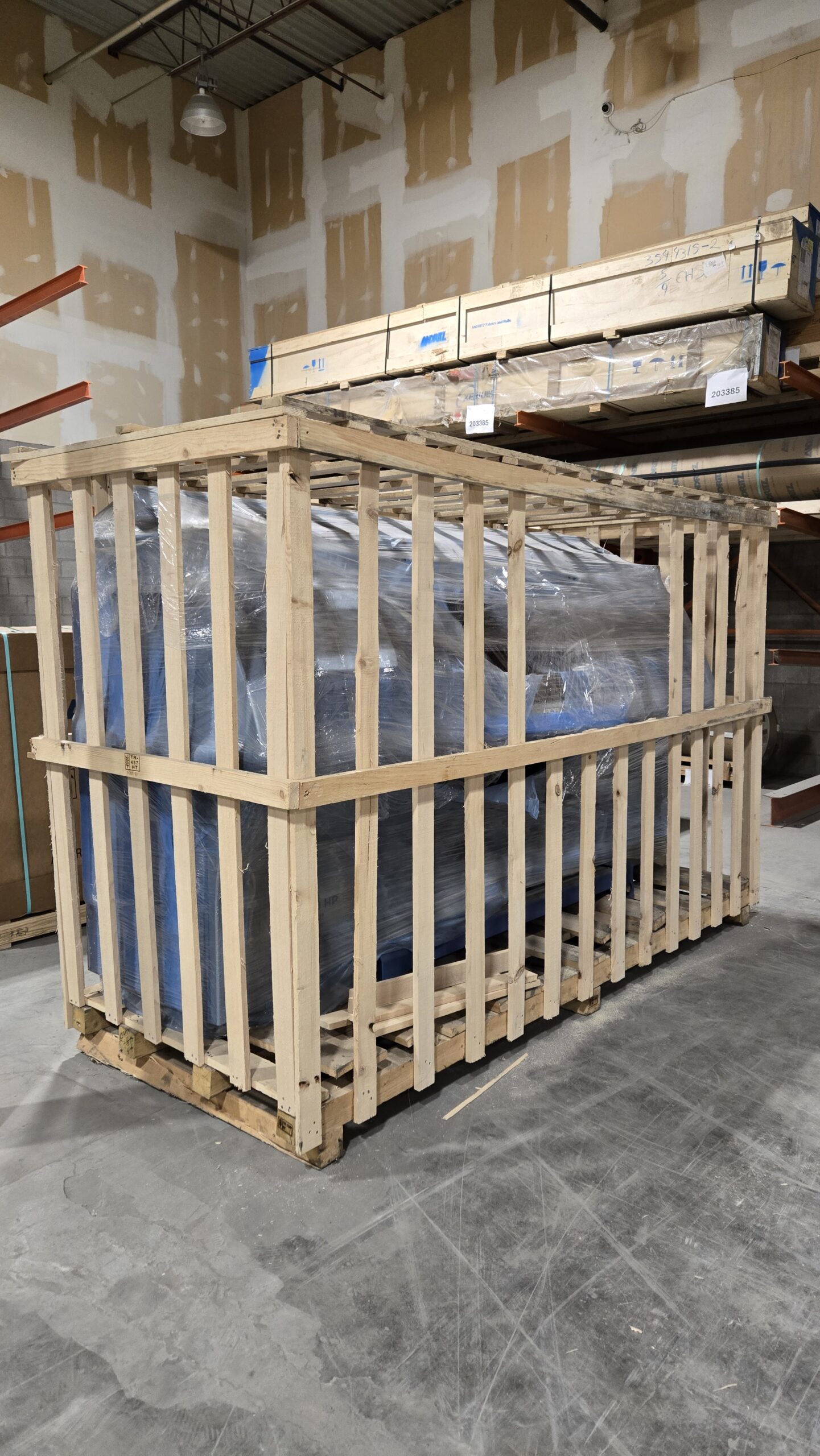
In September of 2025, I contacted George Dumayne at IMS Textiles, a company on Île-Perrot that sources second-hand industrial flatbed knitters (like mine) and sells their own line of beanie and scarf knitting machines. Within a few weeks, George had found me a 2019 STOLL CMS HP 530 that was available and ready to be refurbished and shipped as soon as I was ready.
In that moment, I never felt more uncertain about acquiring a piece of equipment. My list of worries were as follows:
Then I re-centered myself and thought about all the multinational companies who greenwash, who sell plastic sweaters for $600, who commit fraud, who encourage unethical labour practices, who force farmers to use toxic chemicals to maintain their crops, and the list goes on.
Ok bleeding heart, one might think. But this was really the motivation behind me finally going for it.
Because if companies are able to make and sell Donald Trump toilet brushes, then I’m pretty sure I could manage to make and sell beautiful, ethically made woolen garments.
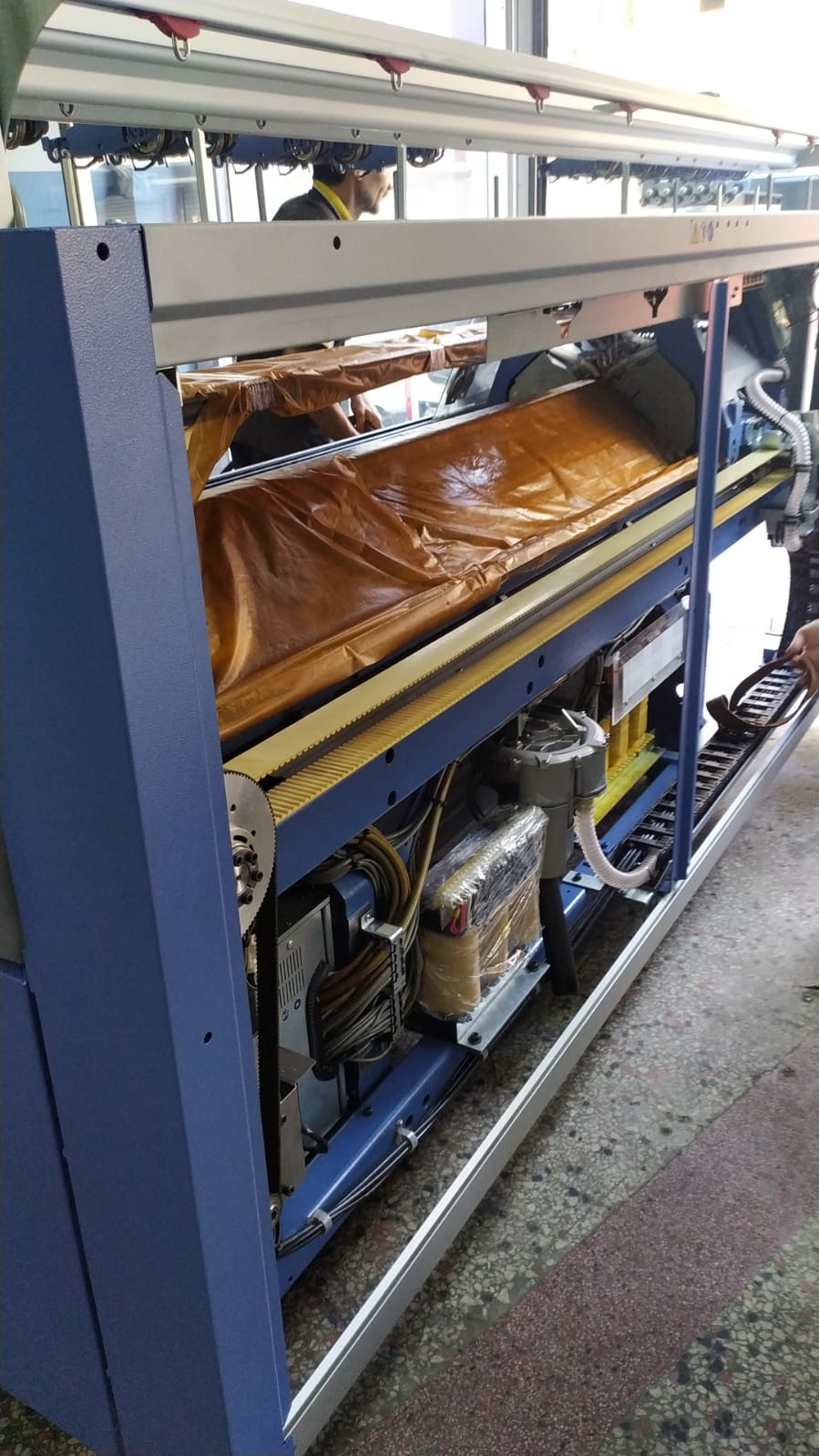
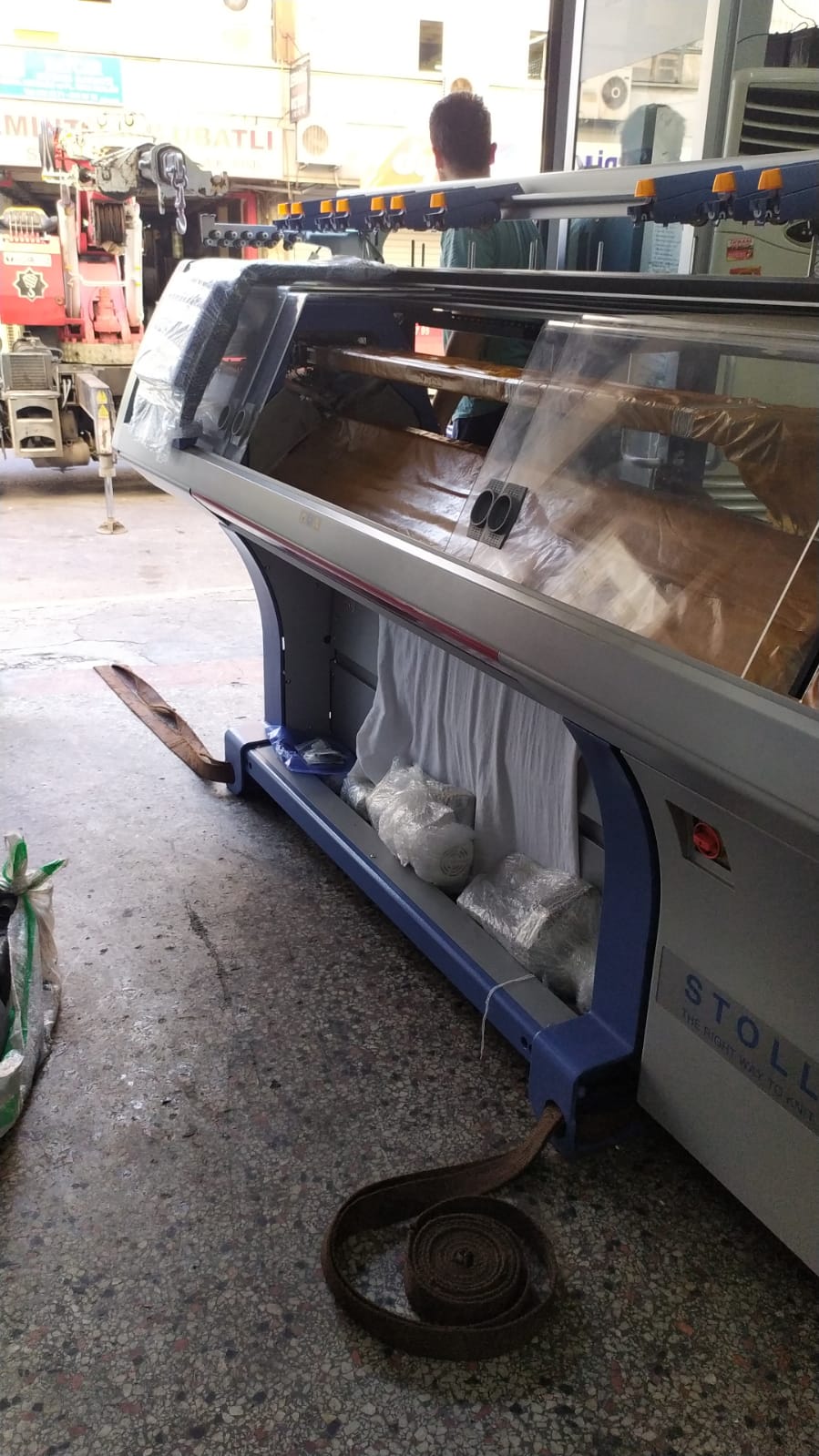
Now, to cross off a worry and start learning how to use the software that tells the machine what to knit.
George from IMS Textiles referred me to a knitting machine technician who had over 40 years of experience working, consulting, and programming for knitwear companies in Montreal.
After having watched countless videos on mute of people making patterns with this software, I managed to understand that in the end, it wasn’t so different to making a hand-knitting chart. That was very reassuring.
When I met up with Luciano, the aforementioned knitting machine technician, I fully grasped how much we could do with this software and how endless the possibilities were. Designs that I had imagined in my mind could finally be put down on paper (or in this case, digital format), plugged into the machine, and away we would go! One sweater, that could be knit in 30 minutes.
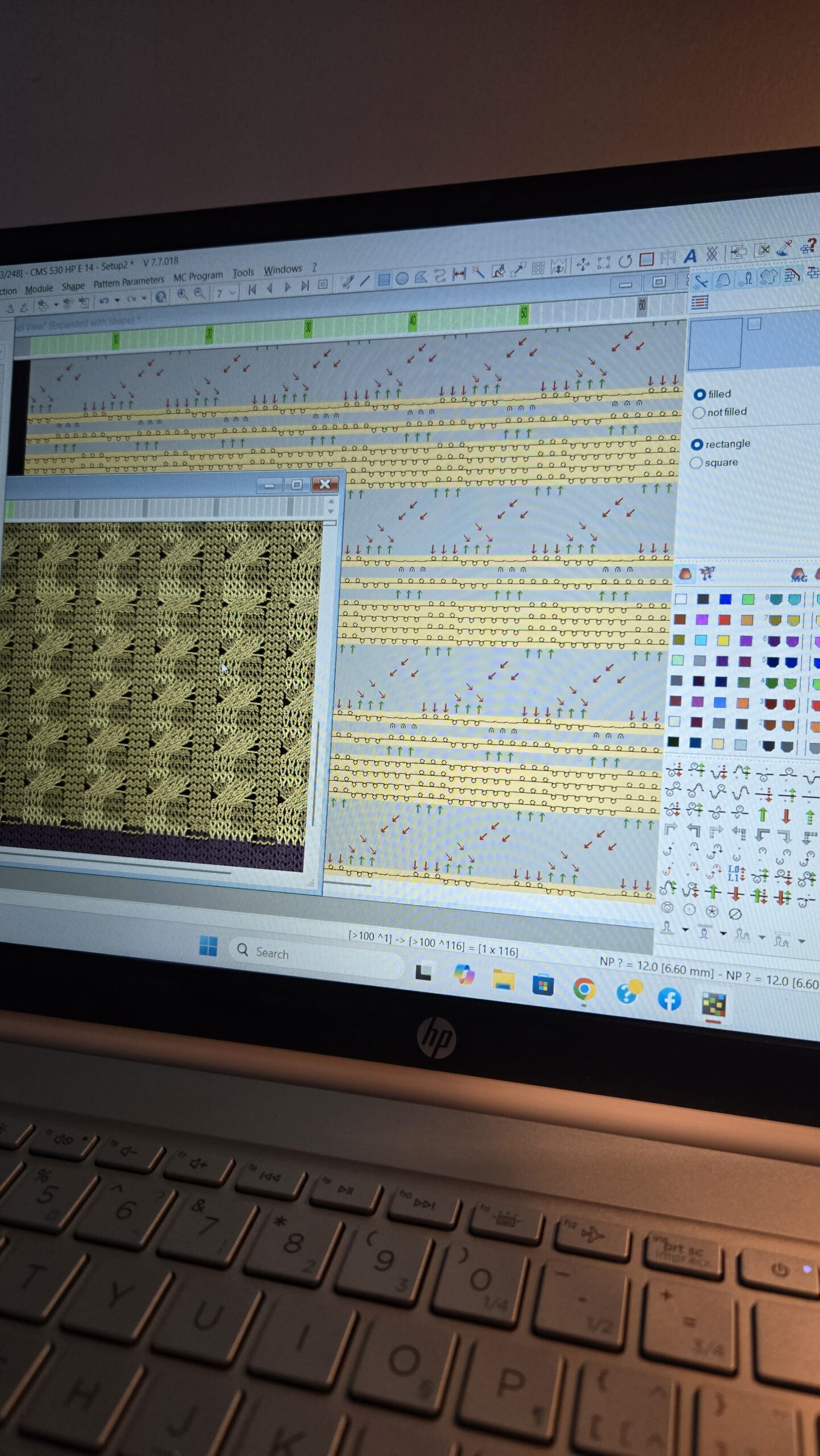
Although I still have a lot to learn, like:
I do feel optimistic that all these years of obsessing over knitting patterns, staring at commercially made sweaters to figure out how they were made, and knitting/unraveling/knitting/unraveling have actually given me a pretty solid base to work from!
While I learn the programming, the knitting machine will stay wrapped up nice and cozy in a warehouse until the building is ready (more info on that in a few months!). Once the building is ready, the machine will be shipped to Charlevoix, and prototyping will begin!
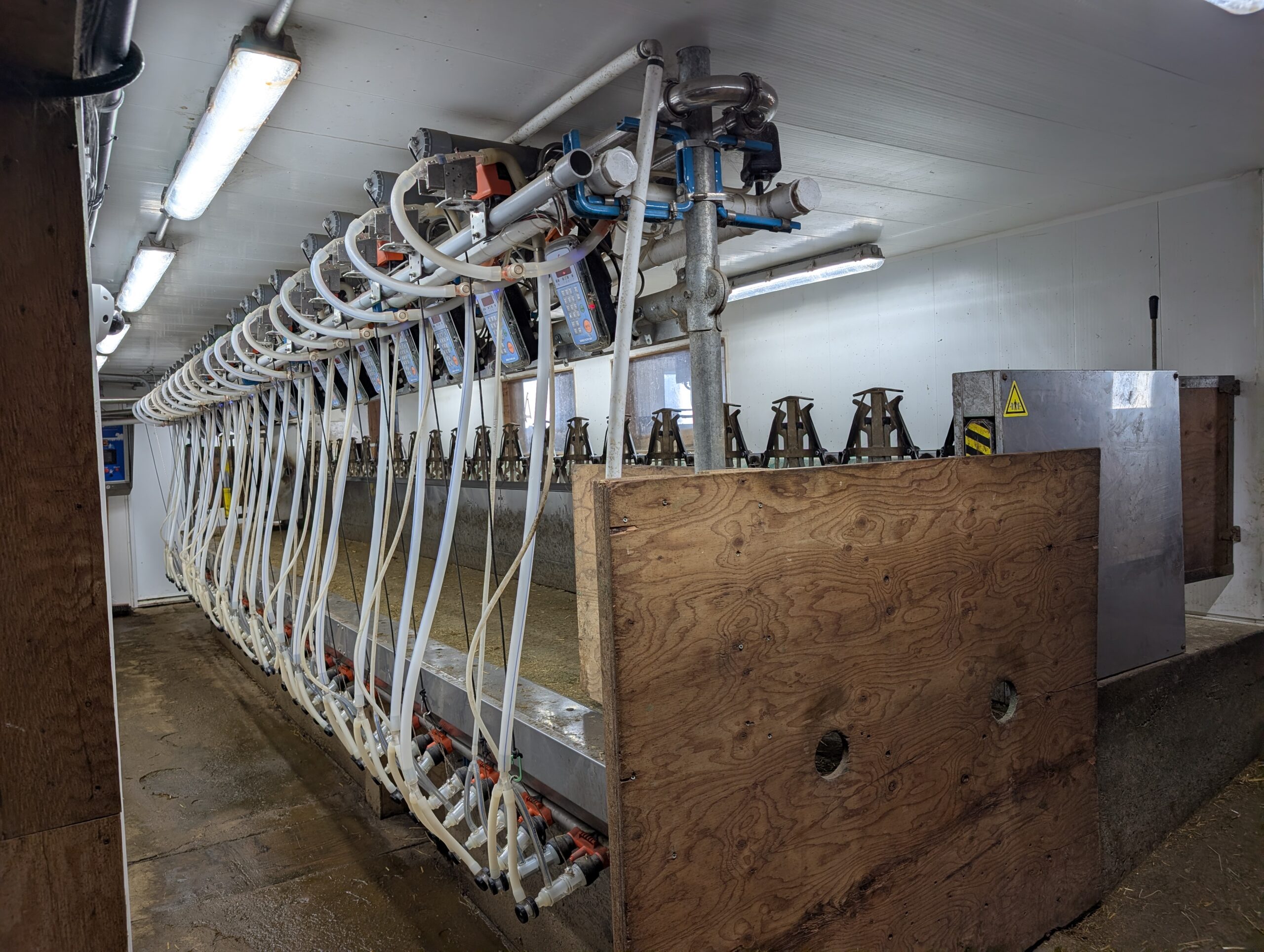
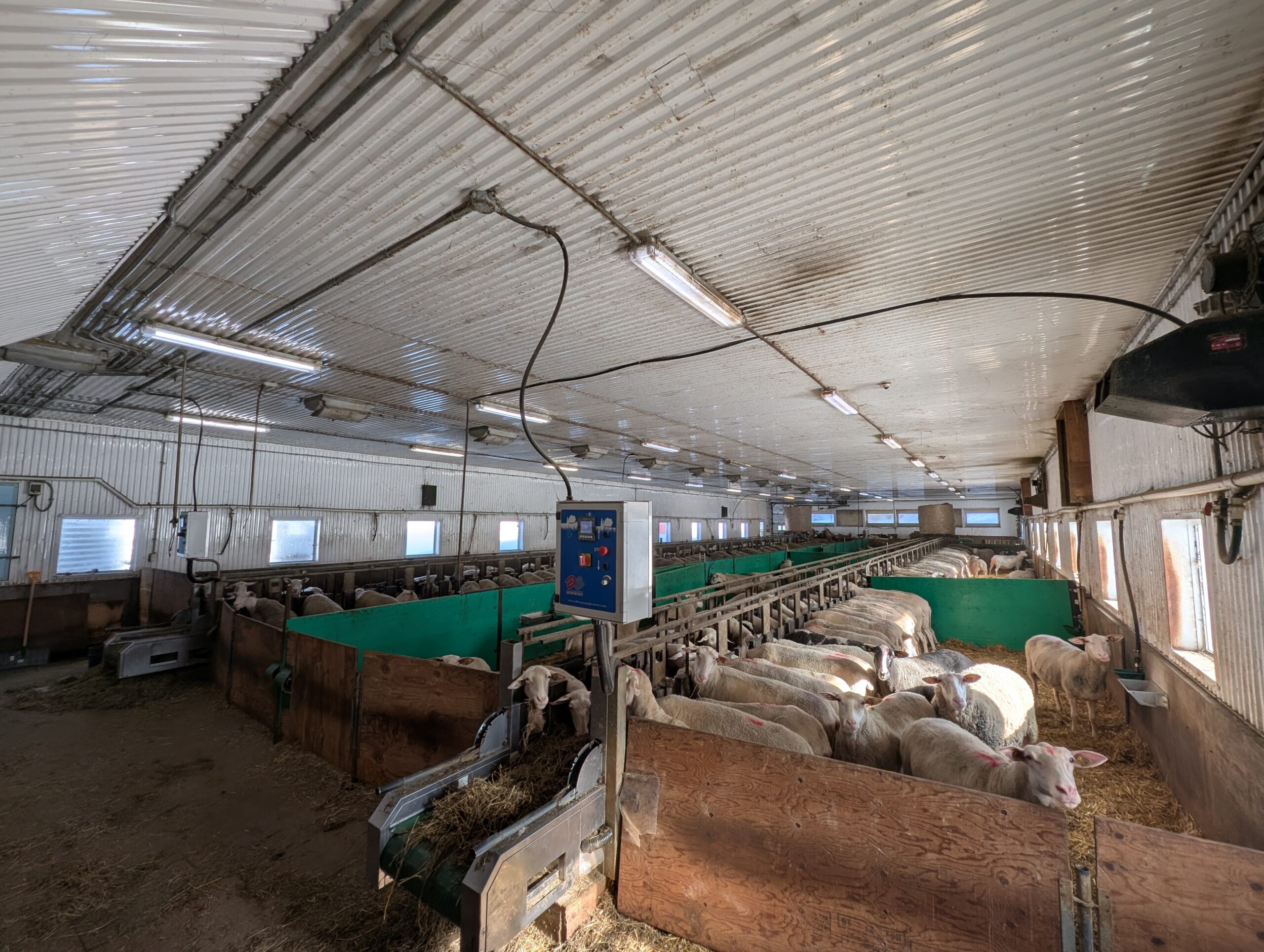
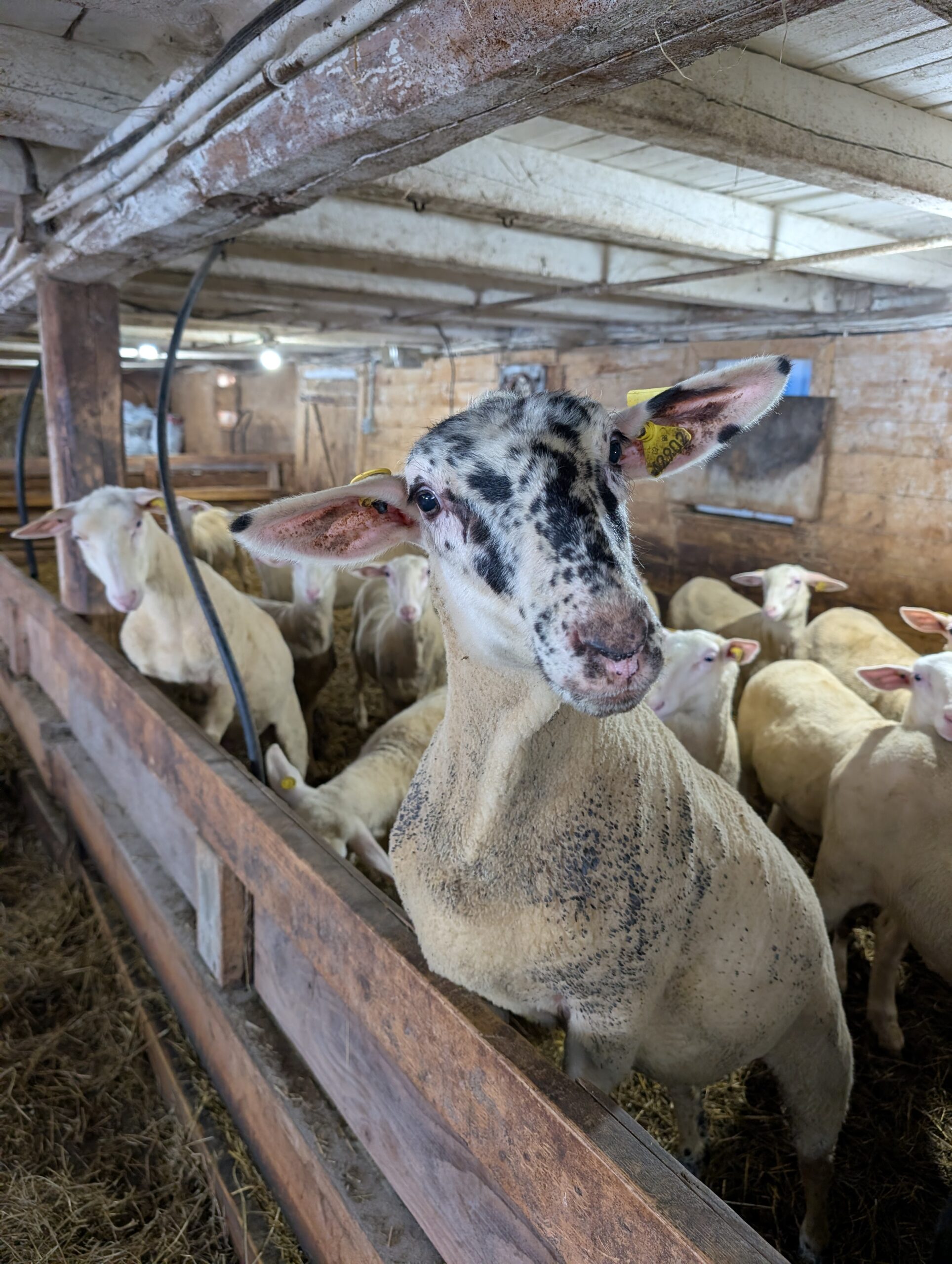
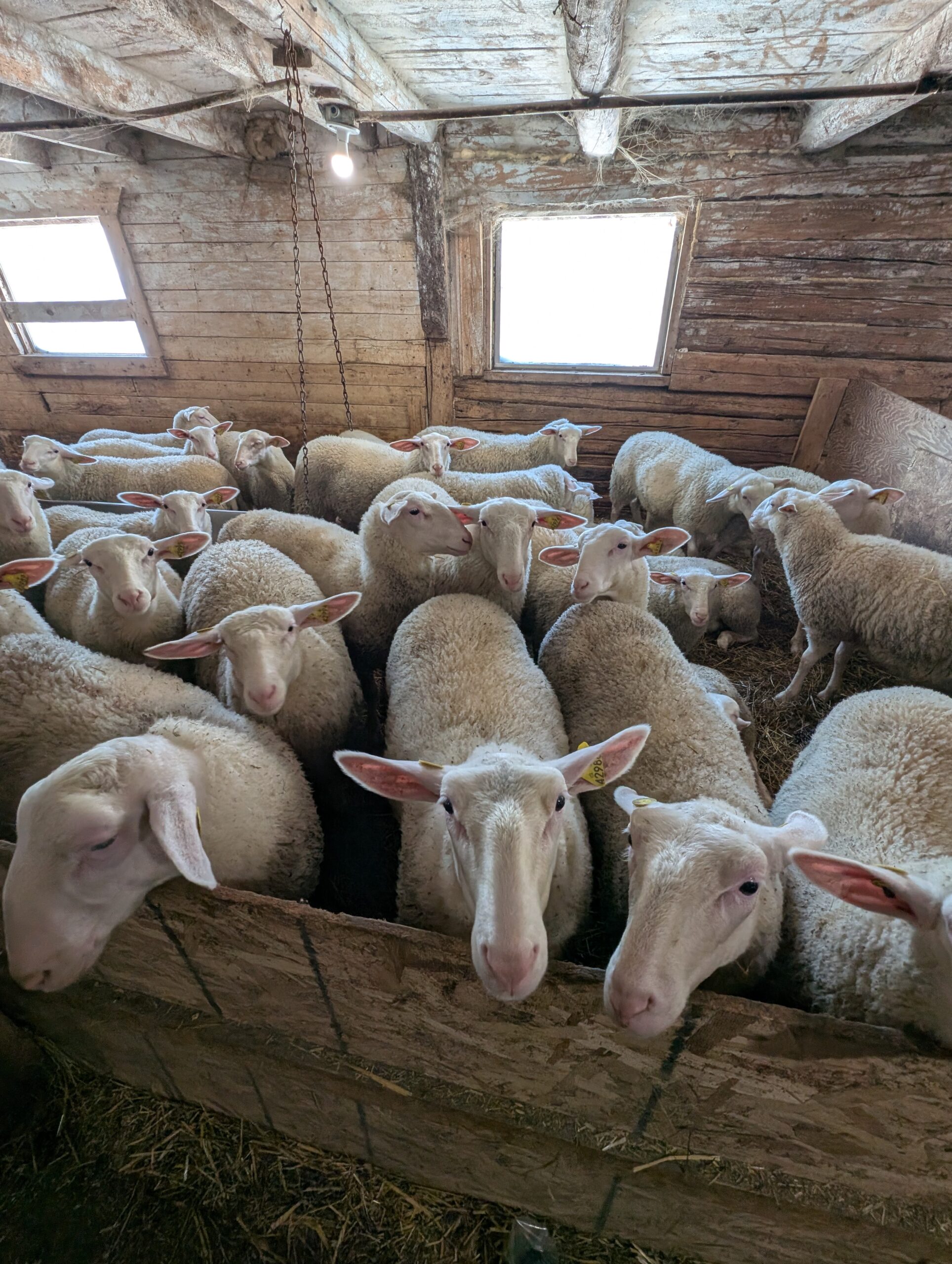
This month, I also had the joy of meeting Tommy Lavoie of Lait Brebis du Nord in Baie-Saint-Paul, Quebec.
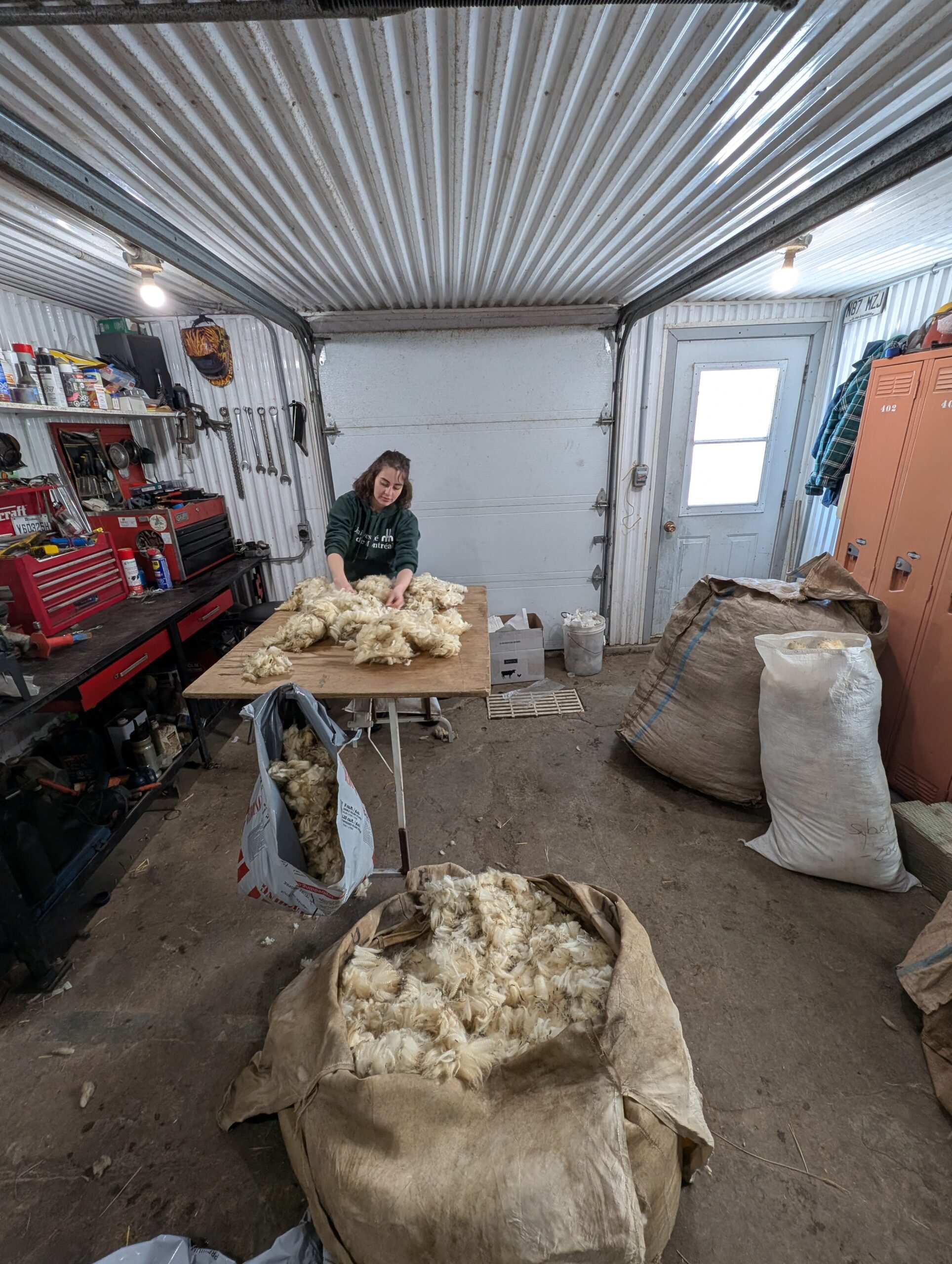
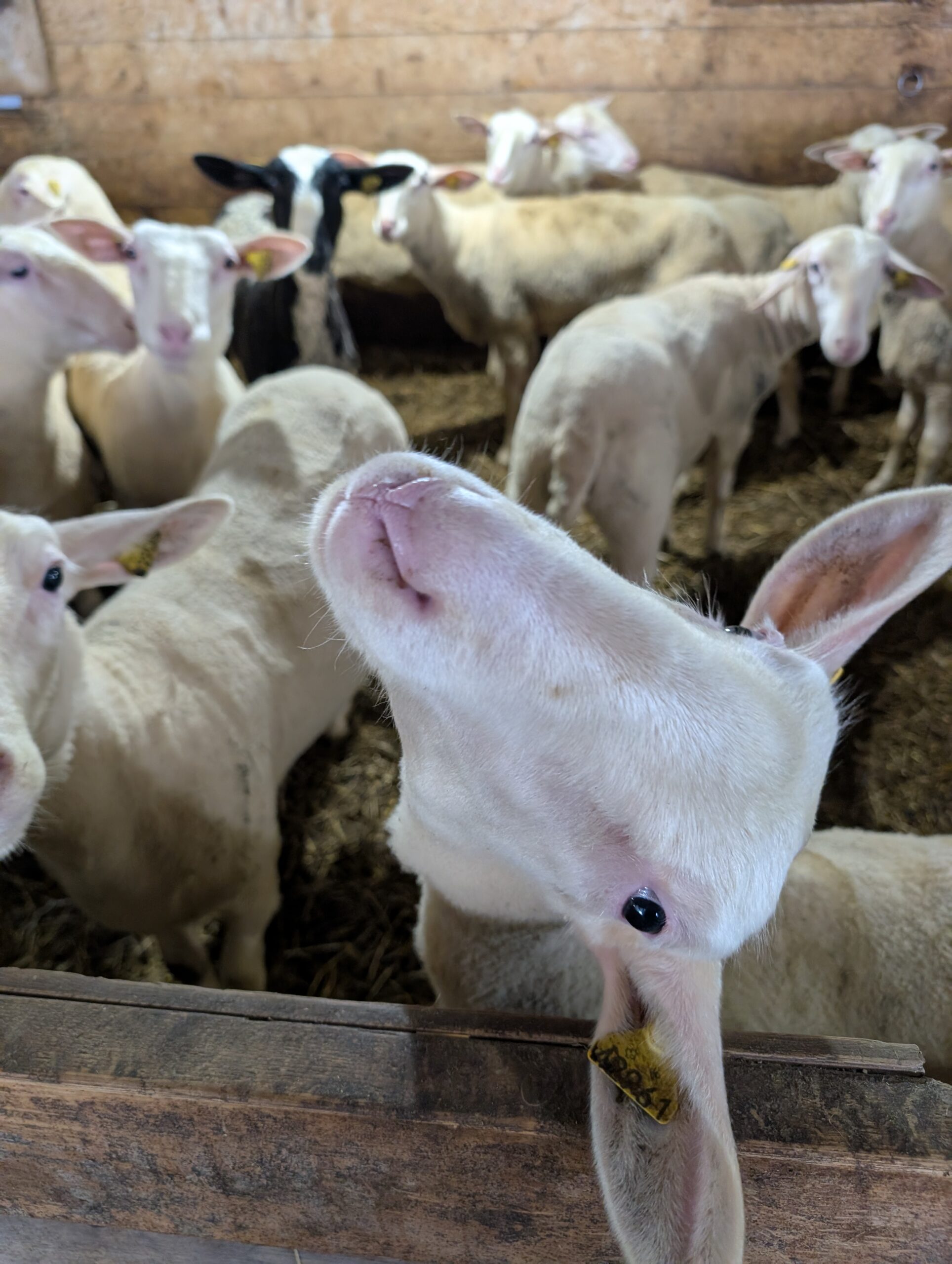
Lait Brebis du Nord is a sheep farm that specializes in producing milk that goes on to become cheese! He has East Friesian sheep, a dairy breed that has strong, medium crimp wool that is extremely lofty and warm.
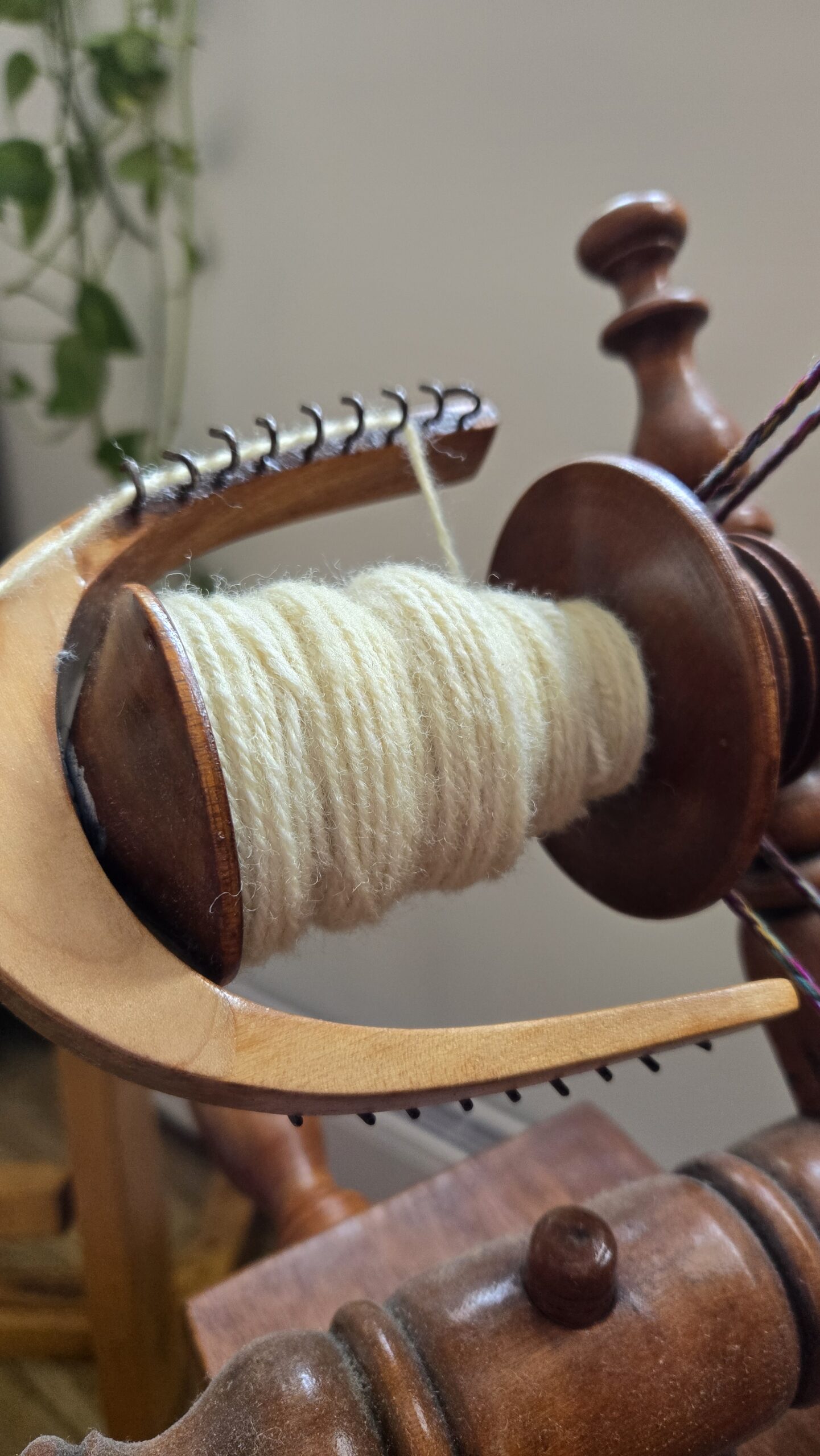
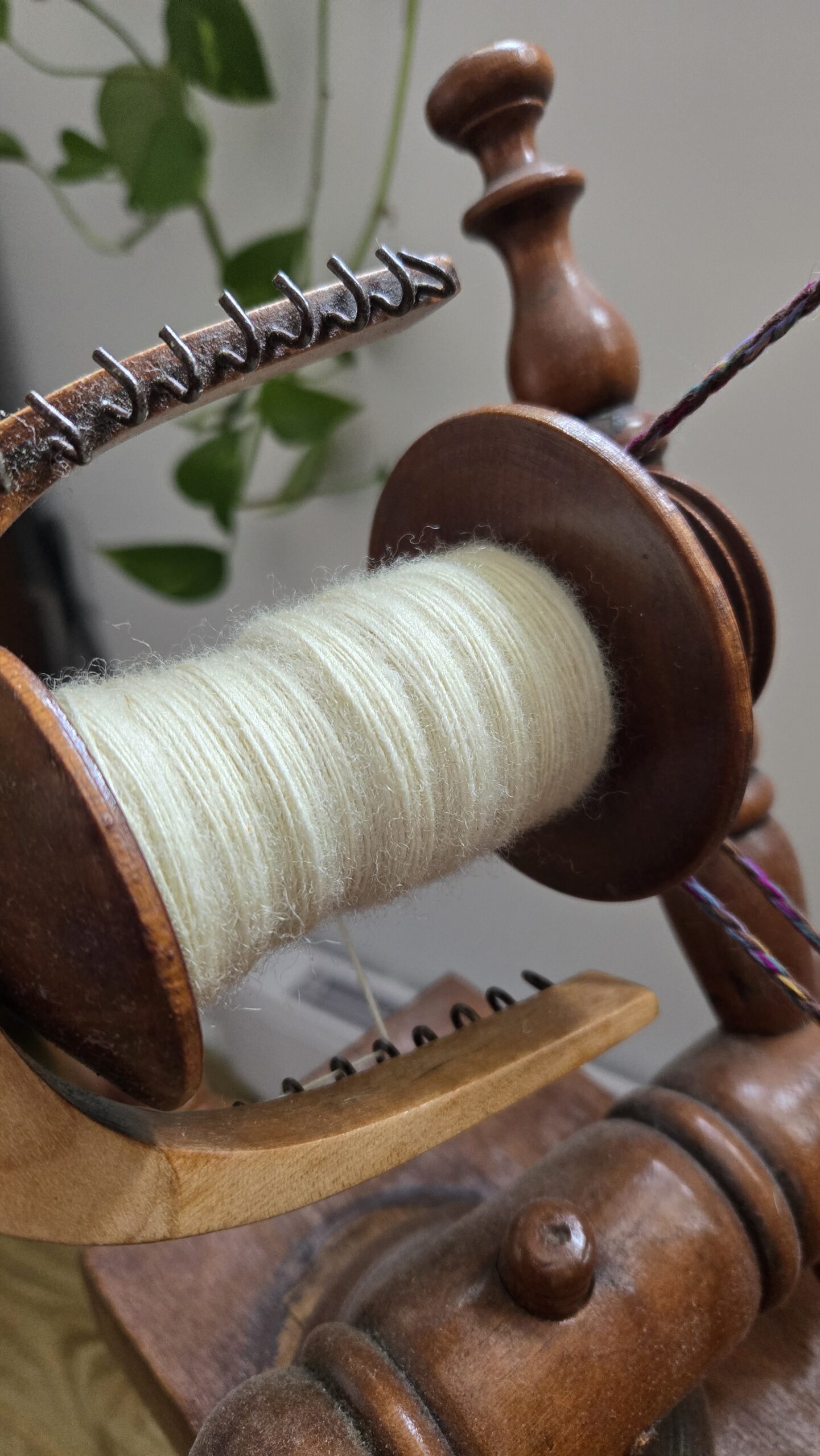
Due to the crimp and staple length being extremely similar to that of the huacaya alpaca I source, I will likely be making an alpaca/east friesian blend once the mill equipment is in place and functional! Of course, to be confirmed once we actually get there, but after doing a hand spinning sample, I’m obsessed.
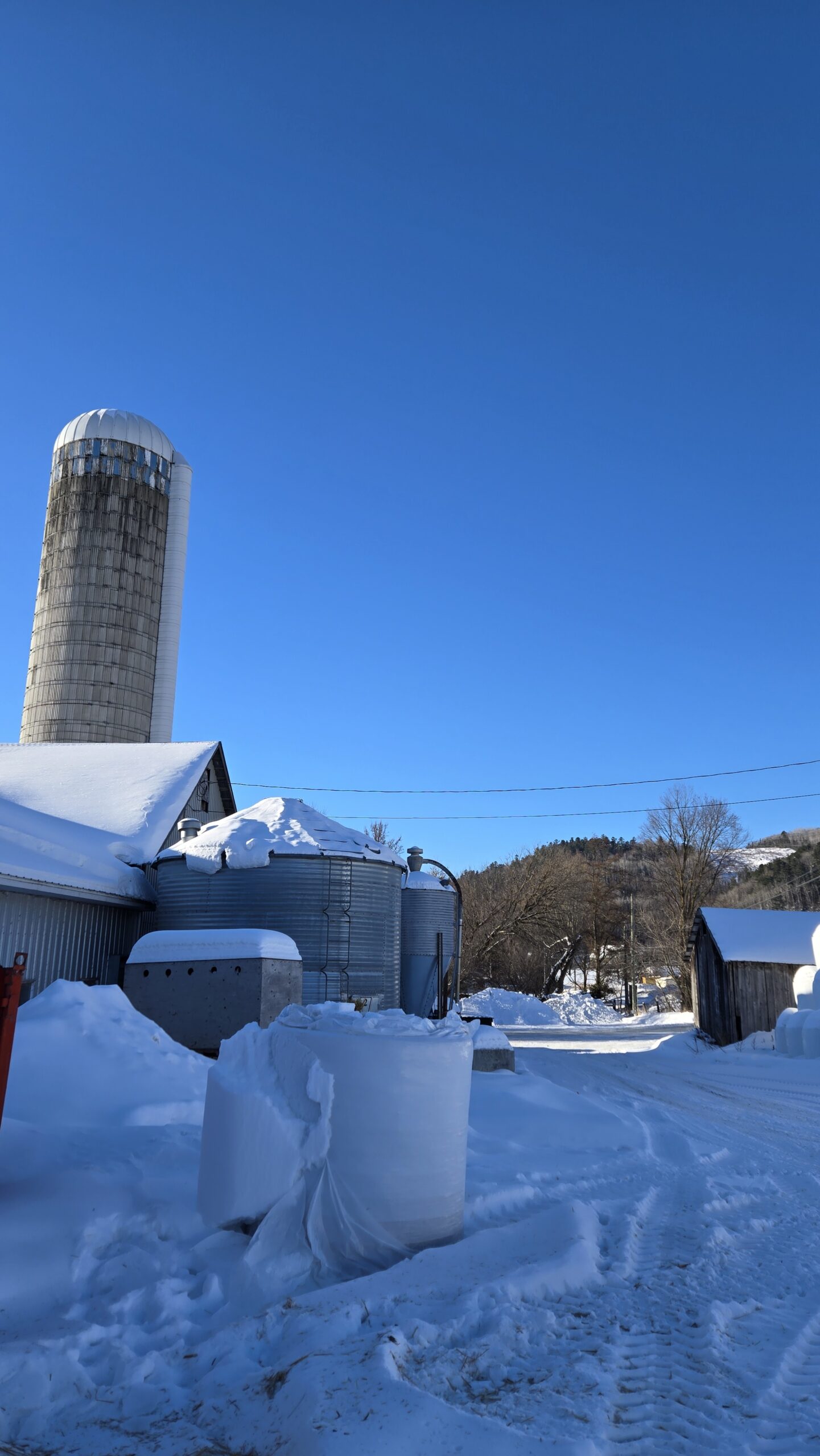
For joy and happiness, here are some pictures that I took during the visit!