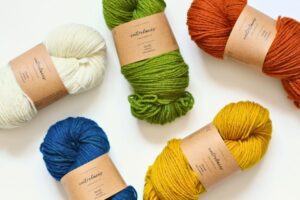


A common misconception is that we need nylon in our sock yarns. Below, I’ll break down why synthetic fibers aren’t needed in an Entrelacés sock yarn and why synthetics have become so common within the sock knitting world.
To explain, let me start with question number one:
Why did nylon start getting mixed into sock yarn in the first place?
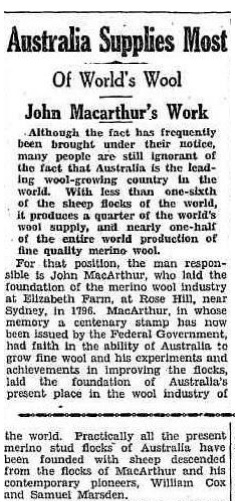
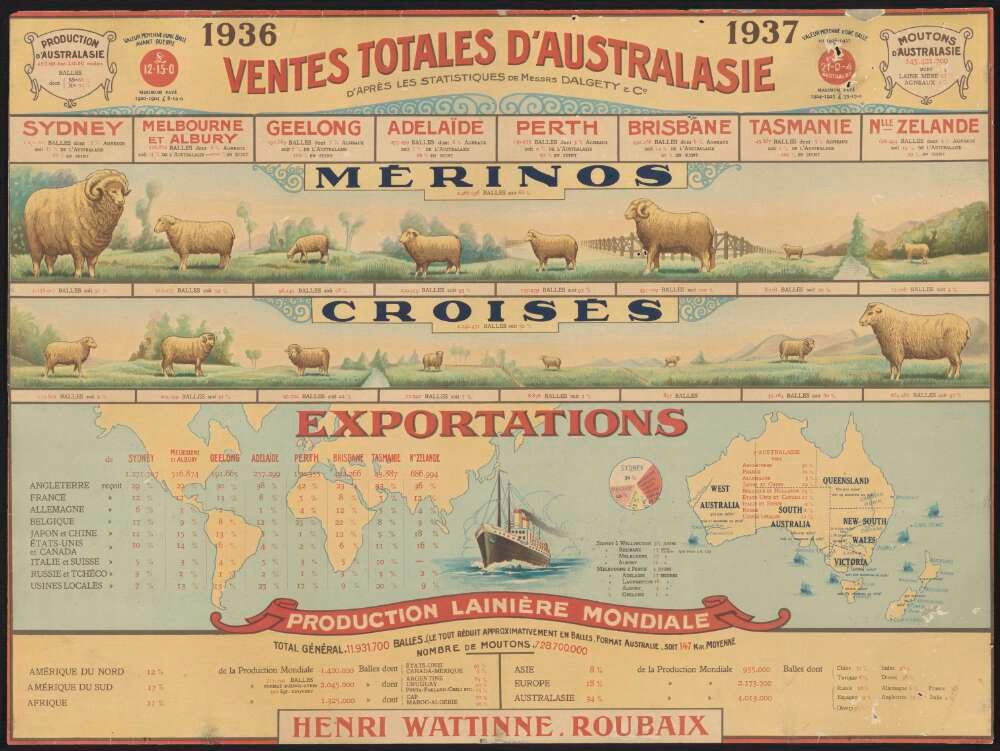
To understand the timeline of events, we need to first understand the Australian Merino industry.
Ok, hear me out.
Over the years, fewer and fewer wool types have made it big on the international marketplace. The one exception? You guessed it.
The Australian merino.
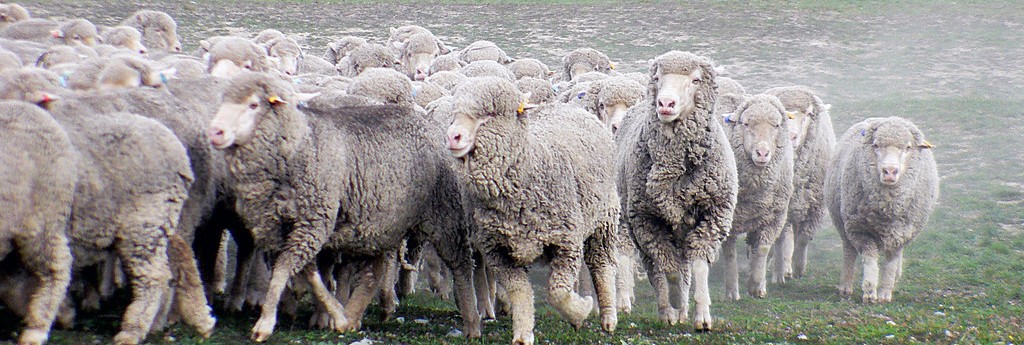
Originally, (and when I say originally, I mean before the late 1700s when Spain was still banning any other country in the world from having Merino sheep) merino wool had a micron count of about 20-25 microns. This means that the diameter of each individual fiber was about 5x smaller than that of a human hair. (That’s really fine and soft!)
But not as soft and easy to care for as polyester could be!
In order to compete with the ever growing synthetic industry, Australia continued to breed their merinos to grow finer…and finer…and finer wool, down to about 16 microns (which is impressive to say the least). This feat is really cool because we love a good soft wool that can be spun extremely finely and worn close to the skin!
THIS SAID, choosing the right type of wool for the right garment is incredibly important. Using fine wool for hard wearing items like socks is not necessarily the right choice if you don’t want them to prematurely wear out or felt in the washing machine.
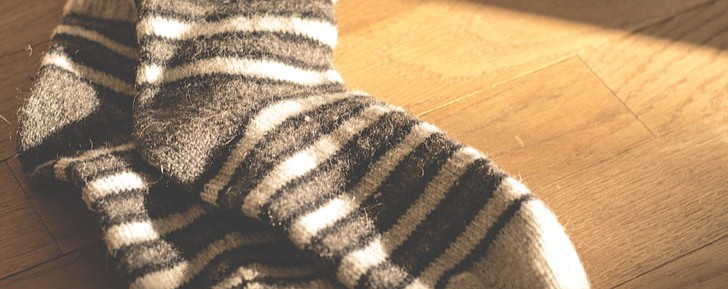
While there is something to be said about having super soft wool against our ankles, we also have to understand that by choosing fibers that are THAT fine and soft, we lose something arguably more important: strength.
The strength of the fiber prevents breakage, which in turn reduces the amount of pilling, holes, and felting your garment will experience.
When we’re designing a good quality sock yarn, strength is not something that we want to be compromising on. Socks wear away as we walk and when we put them in the washing machine.
For most industrial manufacturers using majoritarily merino wool, the solution to managing the high level of breakage during wear in these fine wools was to blend synthetics like nylon and polyester into their yarns.
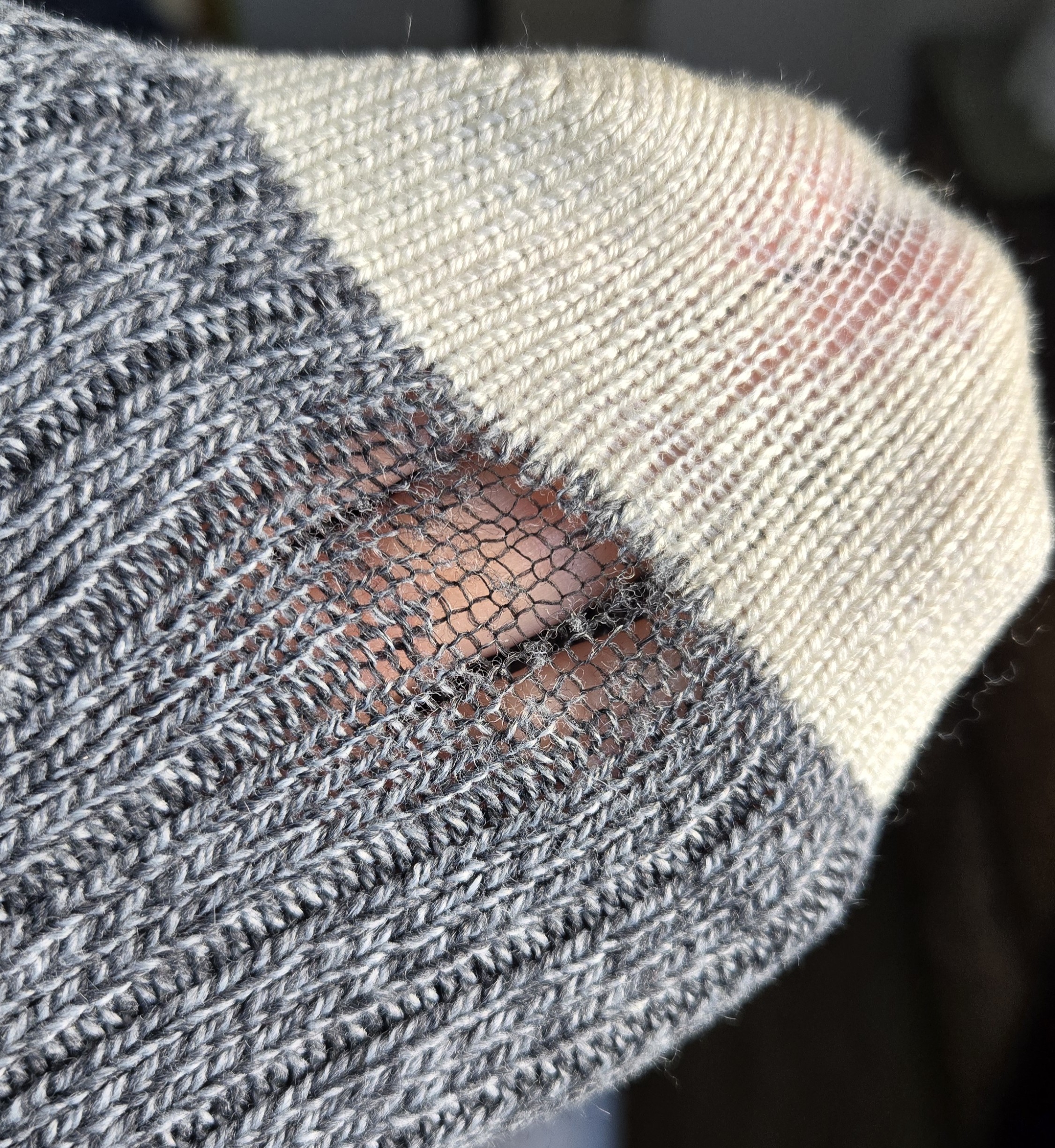
The one problem with this solution is that the synthetic fiber does not strengthen the wool fiber itself. This means that the wool will wear away at the same rate as it always has, and over time, all you will have left will be the synthetic fibers.
This is what gives the “thread bare” look to most of our worn out synthetic blend socks and garments. What you see left over are only the synthetic threads!
As I was designing the Entrelacés sock yarn, I said to myself:
Why on earth am I paying so much money on yarn to knit a 70% wool, 30% synthetic sock when I could get the equivalent ready-made sock for half the price at the store? If I’m going to spend time and money knitting myself socks, I want them to be different (see also: better) than what I could find commercially.
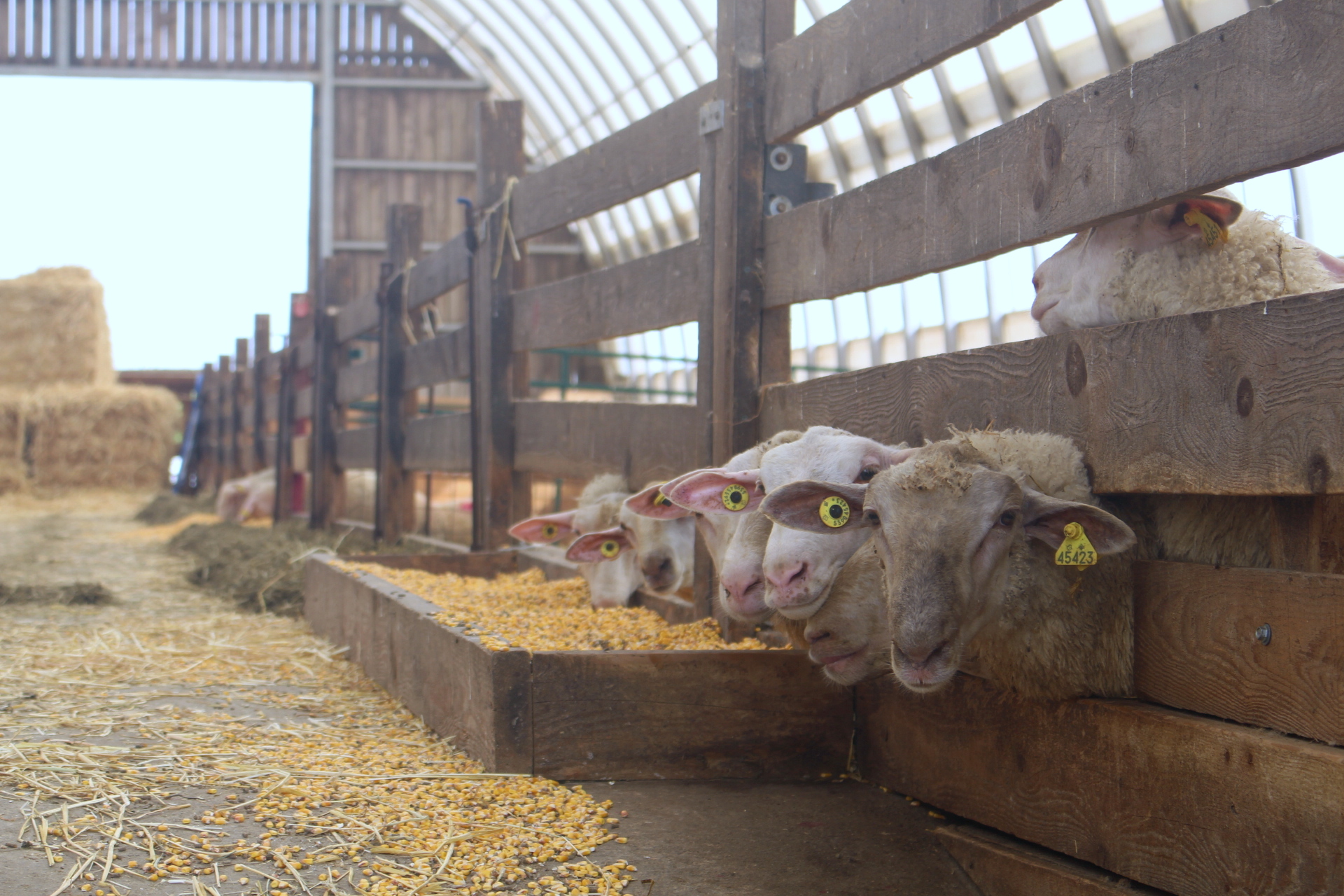
I knew that if my goal was to wear 100% wool socks, I needed to find wool that would be naturally strong, reasonably soft (for sensitive ankles), and that resisted felting so I could throw them in the washing machine without stressing that they would shrink to be 5 sizes too small.
Rideau Arcott wool has the following properties:
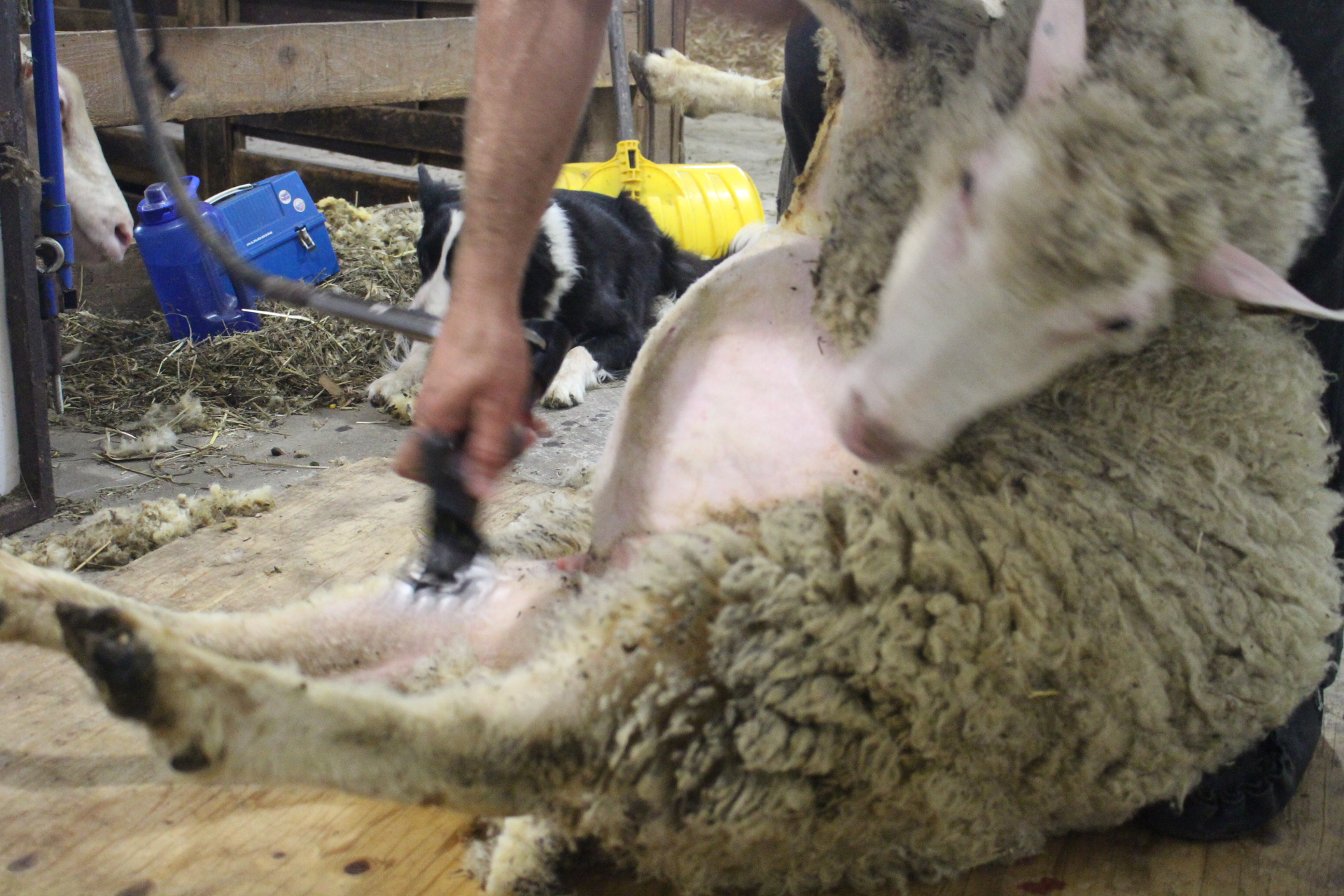
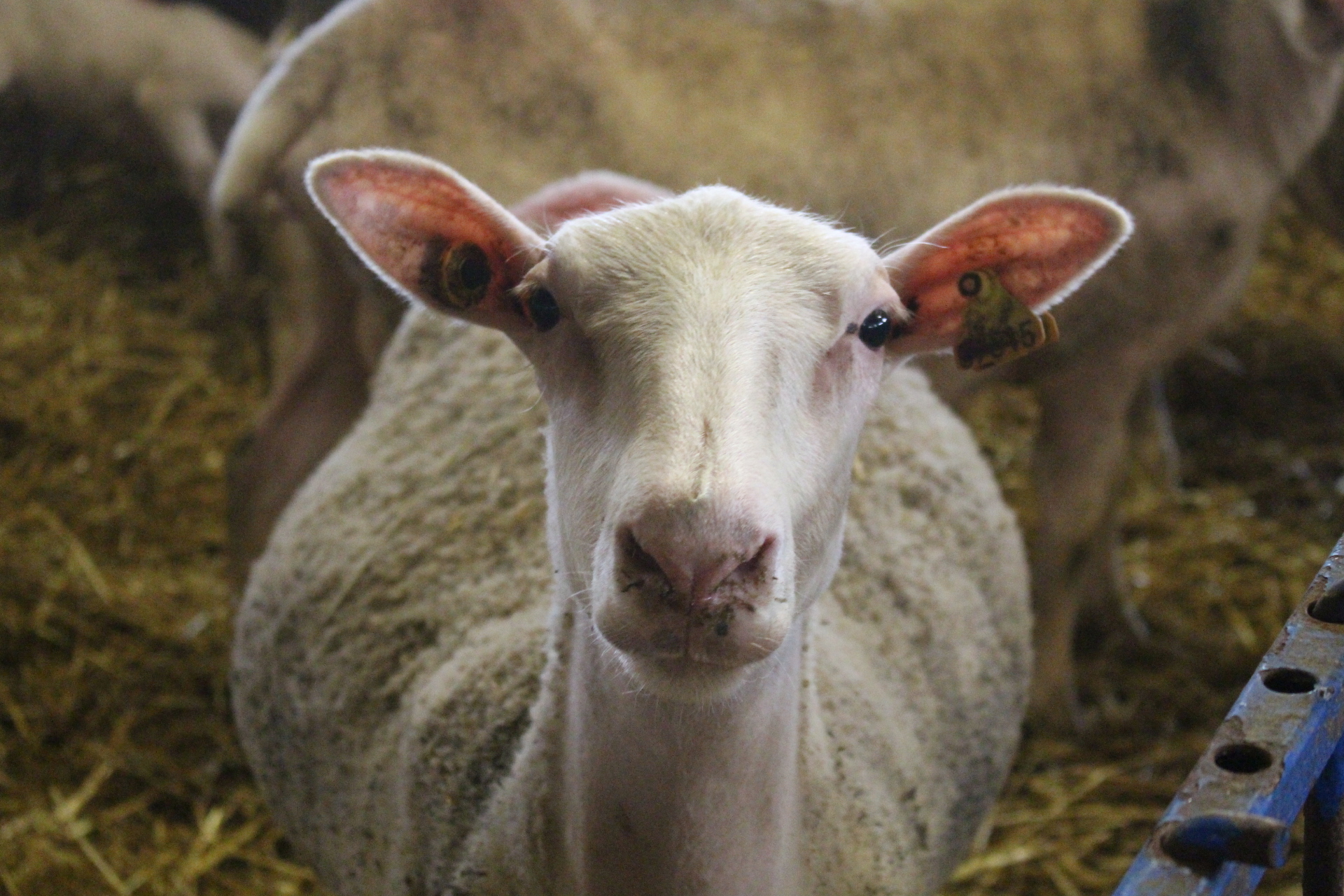
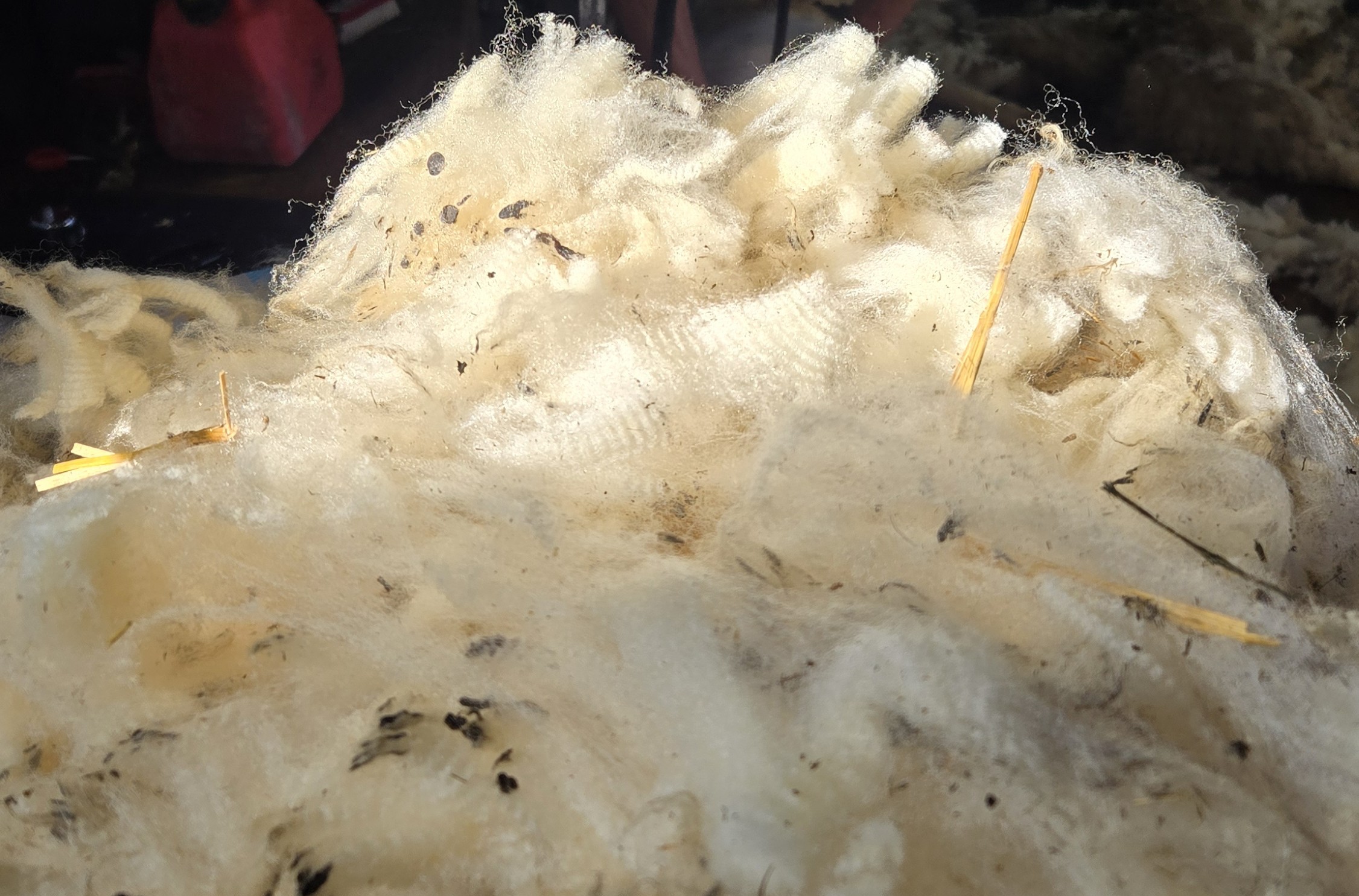
Another element to take into account while actually making the yarns is the amount of twist that is put into the threads and how many individual threads make up your yarn (this is called ply).
As a general rule of thumb,
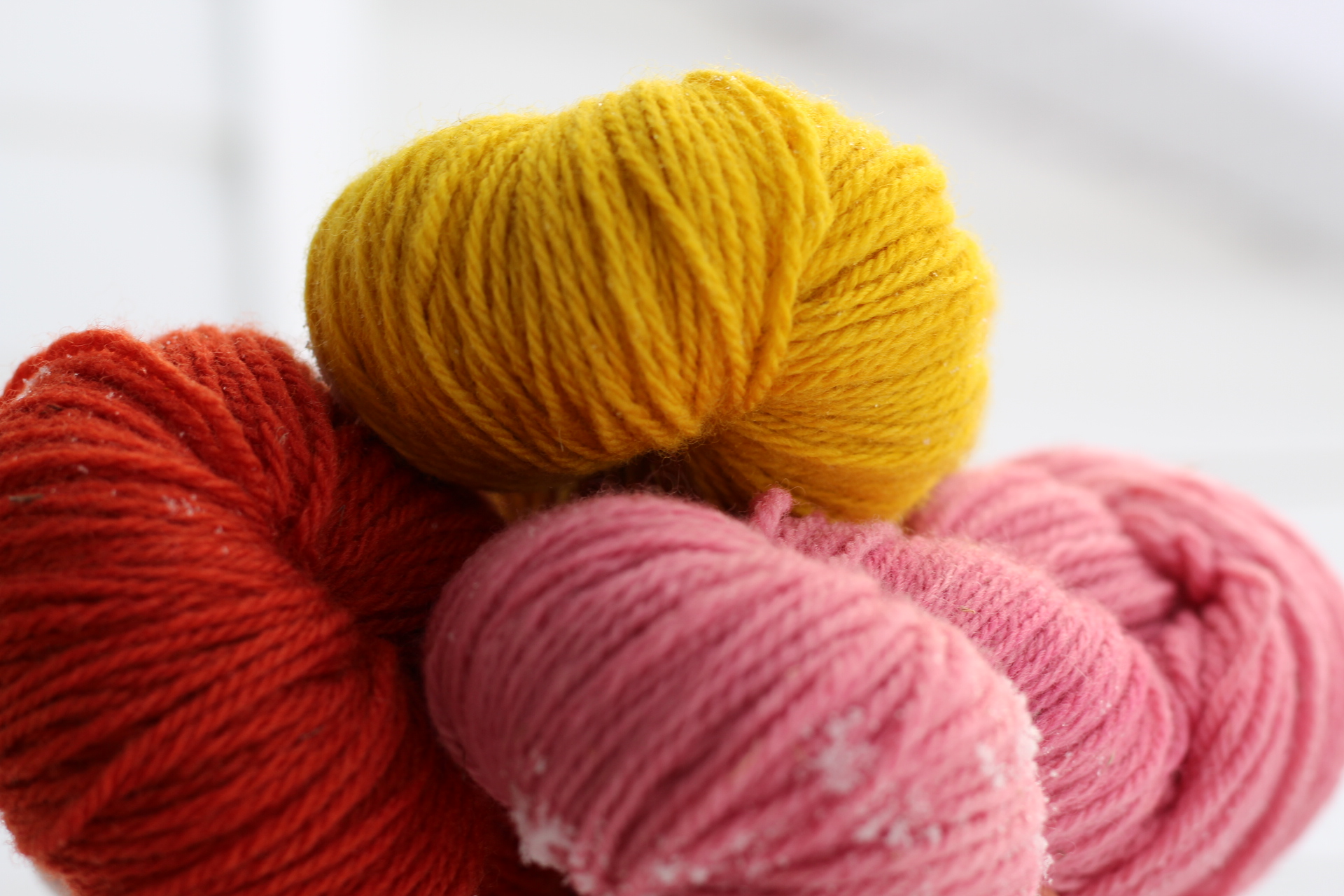
Thus, I created a 3-ply, high twist sock yarn with Rideau Arcott wool that would hold up to the wear and tear that a favorite pair of socks deserve!
You can test out our pilot sock yarns while quantities last by ordering from our partner local yarn store, Mont Tricot
References
“The History of Merino wool,” accessed July 26, 2025 https://www.woolmark.com/fibre/the-history-of-merino-wool/
Denise Williams, “Merino Mania: A Nineteenth-Century Fiber Craze,” Spin Off Magazine, January 2, 2023, https://spinoffmagazine.com/merino-mania-a-nineteenth-century-fiber-craze/
Beth Smith, The Spinner’s Book of Fleece: A Breed-by-Breed Guide to Choosing and Spinning the Perfect Fiber for Every Purpose (Storey Publishing, 2014)
Carol Ekarius and Deborah Robson, The Fleece & Fiber Sourcebook: More Than 200 Fibers, from Animal to Spun Yarn (Storey Publishing, 2011)


